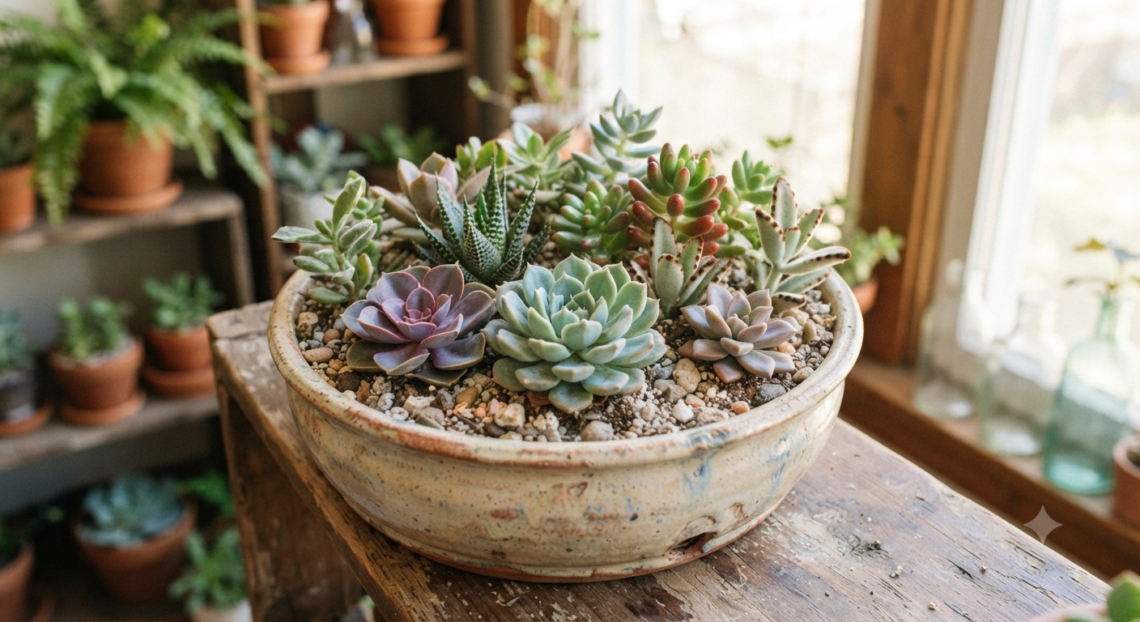
Suçculent refers to a group of plants known for their ability to store water inside their thick leaves, stems, or roots. These fascinating plants have adapted to dry environments by developing specialized tissues that allow them to survive with very little rainfall.
The term is commonly associated with succulent plants, a broad category that includes thousands of species from different plant families. From small decorative indoor plants to large desert varieties, Suçculent plants are admired for their unusual shapes, low maintenance requirements, and impressive survival abilities.
Unlike many traditional houseplants, Suçculent varieties do not require frequent watering. Their natural design allows them to collect and preserve moisture, making them ideal for beginners, busy homeowners, and plant enthusiasts looking for resilient greenery.
The popularity of Suçculent plants has increased significantly because they combine beauty with practicality. They can transform small apartments, offices, balconies, and gardens without demanding constant attention.
Why Are Suçculent Plants So Popular?
The growing interest in Suçculent plants is not accidental. These plants offer several advantages that make them different from ordinary indoor plants.
Many people choose succulents because they are visually attractive and easy to maintain. Their geometric shapes, colorful leaves, and unusual textures create a modern natural decoration style.
Some important reasons behind their popularity include:
- Low maintenance requirements compared with many houseplants
- Water-saving characteristics due to their storage tissues
- Wide variety of shapes, sizes, and colors
- Excellent indoor decoration options
- Beginner-friendly growing habits
- Ability to survive in challenging environments
A single well-placed Suçculent can add personality to a workspace or living area. Collections of different varieties can create miniature landscapes known as succulent gardens or desert gardens.
Different Types of Suçculent Plants You Should Know
The world of Suçculent plants is extremely diverse. Thousands of species exist worldwide, each with unique characteristics.
1. Aloe-Based Suçculent Varieties
Aloe plants are among the most recognized succulent species. They feature long, pointed leaves filled with moisture-rich gel.
Popular examples include:
- Aloe vera
- Aloe aristata
- Aloe juvenna
These plants prefer bright light and well-draining soil. They are commonly grown indoors because of their attractive appearance and easy care routine.
2. Echeveria Suçculent Plants
Echeveria is one of the most popular decorative succulent groups. These plants grow in beautiful rosette shapes with symmetrical leaves.
Their colors can range from:
- Green
- Blue-gray
- Pink
- Purple
- Red-edged varieties
Echeveria plants are especially popular for wedding decorations, terrariums, and indoor plant collections.
3. Haworthia Suçculent Species
Haworthia plants are small, compact succulents that are perfect for indoor spaces.
They are known for:
- Striped leaves
- Small size
- Shade tolerance
- Slow growth
Unlike many desert succulents, Haworthia can handle lower light conditions, making them suitable for offices and apartments.
4. Cactus-Related Suçculent Plants
Although many people separate cacti from succulents, all cacti are technically succulent plants because they store water.
Examples include:
- Barrel cactus
- Moon cactus
- Christmas cactus
Their unique structures allow them to survive extreme heat and drought.
How to Grow Suçculent Plants Successfully
Growing a Suçculent plant is simple when you understand its natural environment. These plants evolved in regions where water was limited, so their care requirements are different from tropical houseplants.
Choosing the Right Soil for Suçculent
The most important factor in succulent care is proper drainage.
Normal garden soil often holds too much moisture, which can cause root problems.
The ideal soil mixture includes:
- Cactus or succulent potting mix
- Coarse sand
- Perlite
- Small gravel
- Organic material in limited amounts
A fast-draining soil allows excess water to escape quickly and keeps roots healthy.
Proper Sunlight Requirements
Light plays a major role in the health of a Suçculent plant.
Most varieties prefer:
- Bright indirect sunlight
- Several hours of natural light daily
- Warm environments
Signs of insufficient light include:
- Long stretched growth
- Pale leaves
- Weak stems
However, sudden exposure to intense sunlight can burn leaves. Plants should gradually adjust when moved outdoors.
How Often Should You Water a Suçculent?
Watering mistakes are the most common reason succulent plants fail.
Many beginners assume these plants need only a tiny amount of water regularly. However, the correct method is different.
The best approach is:
Water deeply, then allow the soil to dry completely.
A typical watering schedule depends on:
- Climate
- Indoor temperature
- Pot size
- Soil type
- Plant variety
During active growing seasons, many Suçculent plants may need watering every 1–3 weeks. During colder months, watering frequency often decreases.
Avoid:
- Leaving water sitting in the pot tray
- Watering when soil is still wet
- Spraying leaves frequently
Overwatering creates conditions where fungal diseases and root rot develop.
Best Pots for Suçculent Growth
The container you choose directly affects plant health.
The best pots include:
Terracotta Pots
Terracotta is highly recommended because it absorbs excess moisture and allows airflow around roots.
Containers With Drainage Holes
Every Suçculent pot should have drainage holes. Without proper drainage, water can become trapped around the roots.
Decorative Containers
Glass containers and decorative pots can look beautiful, but they require careful watering because they usually drain poorly.
Common Suçculent Problems and How to Fix Them
Even easy-care plants can experience problems. Understanding warning signs helps prevent permanent damage.
Yellow Leaves
Yellow leaves usually indicate:
- Too much water
- Poor drainage
- Root stress
Solution:
Allow the soil to dry and improve drainage conditions.
Soft or Mushy Leaves
Soft leaves are often a sign of overwatering.
Remove damaged sections and adjust the watering routine.
Shrinking Leaves
When leaves become thin or wrinkled, the plant may need more water.
A thorough watering session can often restore healthy appearance.
Slow Growth
Slow growth is normal for many succulent species. However, poor light, nutrient deficiency, or unsuitable soil can reduce growth further.
How to Propagate Suçculent Plants at Home
One reason people love Suçculent plants is how easily many varieties can reproduce.
Propagation methods include:
Leaf Propagation
Some succulents can grow new plants from individual leaves.
Steps:
- Remove a healthy leaf carefully.
- Allow the cut end to dry.
- Place it on suitable soil.
- Wait for roots and new growth.
Stem Cutting Propagation
For taller succulent varieties:
- Cut a healthy stem section.
- Let the cutting form a protective layer.
- Place it in dry succulent soil.
- Water lightly after roots begin developing.
Offsets and Baby Plants
Many succulent species naturally produce small baby plants around the main plant.
These offsets can be separated and replanted.
Indoor Suçculent Care Tips for Beginners
Indoor succulent gardening is becoming increasingly popular because these plants fit modern lifestyles.
Follow these simple rules:
- Place plants near bright windows
- Avoid frequent watering
- Use breathable pots
- Rotate plants occasionally for balanced growth
- Remove dead leaves regularly
- Check soil moisture before watering
A healthy indoor Suçculent collection can last for years with minimal effort.
Benefits of Growing Suçculent Plants
Beyond decoration, these plants provide several lifestyle benefits.
Natural Home Decoration
Succulents add texture, color, and natural beauty to indoor spaces.
They work well with:
- Modern interiors
- Minimalist designs
- Office desks
- Kitchen shelves
- Balcony gardens
Stress Reduction
Many people find caring for plants relaxing. Small gardening activities can create a calming daily routine.
Educational Value
Suçculent plants are excellent for teaching children about:
- Plant biology
- Water conservation
- Natural adaptation
- Environmental responsibility
Seasonal Suçculent Care Guide
Spring
Spring is often the active growth period.
Recommended actions:
- Increase watering slightly
- Repot if necessary
- Add suitable fertilizer
Summer
During hot months:
- Provide enough light
- Protect from extreme heat
- Monitor soil dryness
Autumn
Prepare plants for slower growth:
- Reduce watering
- Check for pests
- Remove damaged leaves
Winter
Most succulents require less care during winter.
Avoid:
- Excess watering
- Cold temperatures
- Poor ventilation
Frequently Asked Questions About Suçculent
1. How often should I water a Suçculent plant?
A Suçculent should generally be watered only when the soil becomes completely dry. Depending on climate and plant type, watering may be needed every one to three weeks. The plant’s leaves and soil condition are better indicators than a fixed schedule.
2. Can Suçculent plants survive indoors?
Yes, many Suçculent varieties grow very well indoors. They need sufficient natural light, proper drainage, and controlled watering. Placing them near a bright window is usually ideal.
3. Why are my Suçculent leaves turning yellow?
Yellow leaves are commonly caused by overwatering. Succulents store moisture naturally, so excessive water can damage their roots. Allowing soil to dry between watering sessions usually solves this issue.
4. Do Suçculent plants need direct sunlight?
Many Suçculent plants enjoy bright light, but not all require harsh direct sunlight. Some varieties prefer indirect sunlight to avoid leaf burns. Light requirements depend on the specific species.
5. How long can a Suçculent plant live?
With proper care, many Suçculent plants can live for several years or even decades. Their lifespan depends on species, growing conditions, watering habits, and overall maintenance.
Final Thoughts: Start Growing Your Own Suçculent Collection
A Suçculent plant is more than just a decorative piece. It represents adaptation, resilience, and the beauty of nature’s engineering.
Whether you are a beginner or an experienced gardener, these plants offer an enjoyable growing experience with minimal maintenance. The key principles are simple: provide enough light, choose the right soil, avoid overwatering, and understand your plant’s needs.
Start with one easy-care variety, learn its habits, and gradually build your own collection. With the right approach, your Suçculent garden can become a long-lasting source of natural beauty and satisfaction.