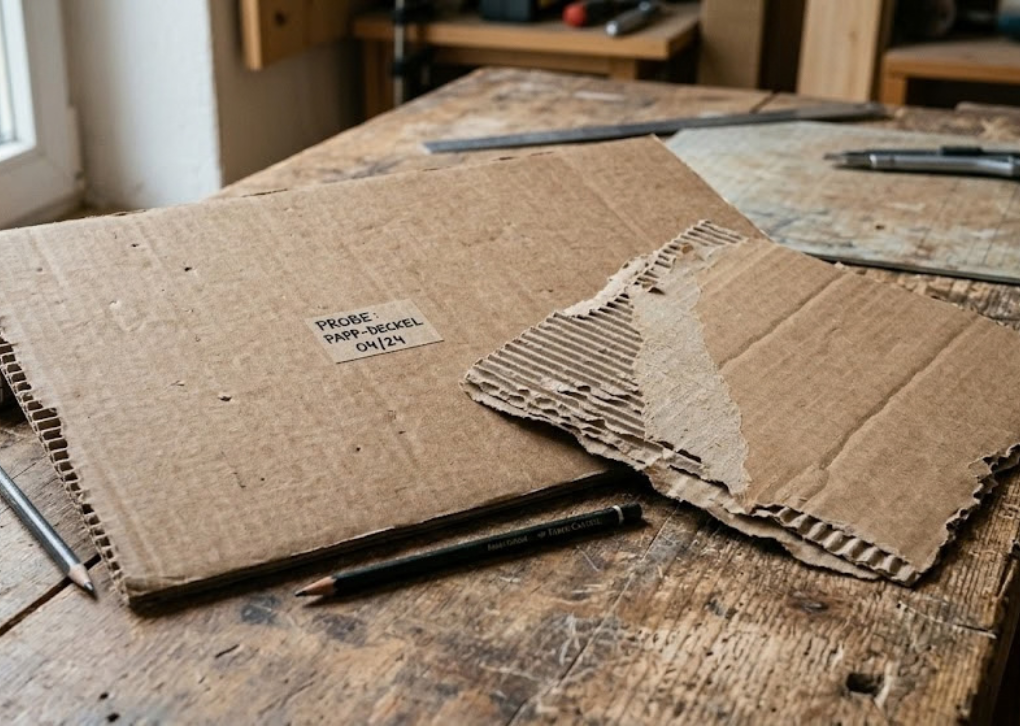
A Pappedeckel is a flat, sturdy cover made from paperboard or compressed paper fibers that is designed to protect, close, or cover different types of products and packaging. From food containers and shipping boxes to luxury packaging and industrial applications, a Pappedeckel has become a practical and sustainable solution across many industries.
Although the word may sound simple, a high-quality Pappedeckel involves careful engineering. The choice of raw materials, thickness, surface treatment, strength, and recyclability all influence the final product.
As businesses and consumers move toward environmentally responsible packaging, paper-based solutions are gaining attention. Companies are looking for alternatives to traditional plastic components, while customers increasingly prefer packaging that can be reused or recycled.
A well-designed Pappedeckel combines durability, appearance, functionality, and sustainability in one simple packaging element.
What Exactly Is a Pappedeckel?
A Pappedeckel is a protective cover manufactured from cardboard, paperboard, or reinforced paper material. It is created by compressing layers of paper fibers to achieve the required strength and structure.
Depending on its purpose, a Pappedeckel can be:
- Lightweight and flexible
- Thick and highly durable
- Printed with custom designs
- Coated for additional protection
- Manufactured in different shapes and sizes
The main purpose is usually protection. However, modern packaging companies also use these covers as branding elements because they provide an excellent surface for printing and creative designs.
Common characteristics of a quality Pappedeckel include:
- Strong structural stability
- Low weight compared to many alternatives
- Easy customization
- Good printing performance
- Recyclable material options
Types of Pappedeckel Available in the Market
Not every paperboard cover serves the same purpose. Different industries require different materials, thicknesses, and finishes.
Grayboard Pappedeckel
Grayboard is one of the most common types of cardboard material.
It is widely used for:
- Book covers
- Storage boxes
- Presentation folders
- Packaging structures
- Craft projects
A grayboard Pappedeckel offers excellent rigidity and is often selected when strength is more important than decorative appearance.
Its advantages include:
- Affordable production
- High durability
- Easy cutting and shaping
- Compatibility with various coverings
White Paperboard Pappedeckel
A white paperboard Pappedeckel is commonly used where visual presentation matters.
Typical applications include:
- Premium product packaging
- Cosmetic boxes
- Gift packaging
- Retail products
The smooth surface allows manufacturers to apply:
- High-quality printing
- Embossing
- Foil stamping
- Protective coatings
For luxury brands, packaging quality often influences customer perception, making the appearance of the cover extremely important.
Corrugated Pappedeckel
Corrugated cardboard versions are mainly used for shipping and logistics.
The layered structure provides:
- Shock resistance
- Better protection during transportation
- Lightweight strength
A corrugated Pappedeckel helps prevent damage when products move through warehouses, delivery systems, and supply chains.
Coated Pappedeckel
Some applications require additional protection against moisture, grease, or external damage.
Coated versions may include:
- Water-resistant layers
- Food-safe coatings
- Gloss finishes
- Matte protective surfaces
These coatings improve performance but should always be selected carefully because some treatments may affect recycling processes.
How Is a Pappedeckel Manufactured?
The production of a Pappedeckel involves several technical stages. Every step influences the strength, appearance, and environmental impact of the final product.
1. Selecting Raw Materials
The process begins with choosing suitable paper fibers.
Manufacturers may use:
- Virgin wood fibers
- Recycled paper fibers
- Mixed fiber materials
Recycled fibers help reduce waste and lower dependence on new raw materials.
2. Preparing Paper Fiber Material
The selected fibers are mixed with water to create a paper pulp mixture.
During this stage, manufacturers perform:
- Cleaning
- Fiber separation
- Removal of unwanted materials
- Quality adjustments
The fiber structure determines how strong the final Pappedeckel will become.
3. Pressing and Drying Process
The wet paper material is pressed to remove excess water.
After pressing, the material goes through drying systems that transform it into a solid paperboard sheet.
This stage creates the thickness and strength required for different applications.
4. Cutting and Shaping
Once the paperboard is ready, industrial machines cut it into precise shapes.
Possible designs include:
- Square covers
- Rectangular lids
- Round covers
- Custom-shaped packaging components
Modern manufacturing technology allows companies to create highly accurate dimensions.
5. Printing and Finishing
Many businesses use finishing techniques to improve the appearance of their Pappedeckel.
Popular finishing options include:
- Brand logos
- Custom colors
- Decorative patterns
- Protective varnishes
- Embossed designs
For retail products, the cover often becomes part of the customer experience.
Pappedeckel vs Plastic Covers: Which Is Better?
The packaging industry has increasingly focused on replacing unnecessary plastic components.
A comparison between paperboard and plastic reveals important differences.
Advantages of Pappedeckel
A Pappedeckel provides several benefits:
- Made from renewable paper resources
- Available with recycled material options
- Supports eco-friendly branding
- Provides excellent printing possibilities
- Creates less dependence on plastic packaging
Many companies choose paper-based solutions because sustainability has become an important purchasing factor.
Limitations of Pappedeckel
Despite their advantages, paperboard covers also have challenges.
Possible limitations include:
- Lower resistance to water compared with plastic
- Reduced performance in extremely wet environments
- Some coatings may complicate recycling
The correct material choice depends on the product requirements.
Sustainability and Recycling of Pappedeckel
One of the biggest reasons behind the growing popularity of Pappedeckel is environmental responsibility.
Paper fibers can often be recovered and reused through recycling systems.
The recycling process generally involves:
- Collection of used paper products
- Separation of unsuitable materials
- Breaking down fibers with water
- Creating new paper-based products
For better recycling results:
- Keep cardboard clean and dry
- Remove non-paper materials when possible
- Follow local recycling guidelines
A sustainable Pappedeckel is not only about the material itself. It depends on the complete lifecycle, from production to disposal.
Common Applications of Pappedeckel
The versatility of Pappedeckel makes it useful in many industries.
Food Packaging Industry
Food companies use paperboard covers for:
- Takeaway containers
- Dessert packaging
- Snack boxes
- Food trays
- Disposable packaging solutions
Food-related applications require careful attention to hygiene, safety standards, and suitable coatings.
Shipping and Logistics
E-commerce and logistics companies rely on cardboard packaging components for:
- Shipping boxes
- Protective covers
- Storage containers
- Product separators
A strong Pappedeckel helps protect products during transportation.
Luxury and Gift Packaging
Packaging creates the first impression of a product.
Luxury brands often use customized covers with:
- Premium textures
- Elegant printing
- Special finishes
- Unique designs
A beautifully designed Pappedeckel can increase perceived product value.
DIY and Craft Applications
Paperboard covers are also popular among hobby enthusiasts.
They are used for:
- Handmade cards
- Scrapbooking
- Decorative projects
- Model making
- Creative storage solutions
Their easy cutting and customization make them ideal for creative work.
How to Choose the Right Pappedeckel
Selecting the correct Pappedeckel depends on several important factors.
Consider Material Thickness
Thickness determines:
- Strength
- Protection level
- Weight capacity
Light packaging may require thin paperboard, while industrial applications need stronger materials.
Check Size Accuracy
A properly fitted cover provides better protection.
Incorrect dimensions may cause:
- Loose fitting
- Reduced stability
- Poor appearance
Manufacturing precision is especially important for commercial packaging.
Evaluate Surface Quality
For branded products, appearance matters.
Businesses should consider:
- Matte finishes
- Gloss surfaces
- Natural textures
- Custom printing
The surface quality influences how customers experience the product.
Look for Sustainable Options
Companies should consider:
- Recycled content
- Responsible sourcing
- Environmental certifications
- Recyclability
Sustainable packaging choices can strengthen brand reputation.
Custom Pappedeckel Solutions for Businesses
Many manufacturers provide customized Pappedeckel production.
Customization options include:
- Specific dimensions
- Unique shapes
- Company branding
- Printed designs
- Special coatings
Custom packaging helps businesses create a stronger connection with customers.
A well-designed cover is not just protection. It becomes part of the product presentation.
Common Mistakes When Using Pappedeckel
Even a high-quality paperboard cover can fail if used incorrectly.
Common mistakes include:
- Choosing the wrong thickness
- Ignoring moisture conditions
- Selecting unsuitable coatings
- Forgetting recycling requirements
Proper planning ensures better performance and reduces unnecessary costs.
The Future of Pappedeckel in Sustainable Packaging
The future of the Pappedeckel industry is closely connected with sustainable innovation.
Manufacturers are developing:
- Stronger lightweight paper materials
- Plastic-free protective coatings
- Improved recycling technologies
- More efficient production methods
The modern Pappedeckel is evolving from a simple packaging component into a strategic sustainability solution.
Companies are no longer choosing packaging only for protection. They are choosing materials that reflect environmental values and customer expectations.
Frequently Asked Questions About Pappedeckel
What is a Pappedeckel used for?
A Pappedeckel is used as a protective cover for packaging applications such as food containers, shipping boxes, storage products, and luxury packaging. It helps protect items while providing opportunities for branding and design.
Are Pappedeckel environmentally friendly?
Many Pappedeckel products are considered environmentally friendly because they are made from paper fibers and may be recycled. Their environmental impact depends on production methods, coatings, and recycling systems.
Can Pappedeckel be recycled?
Yes, most untreated paperboard covers can be recycled through standard paper recycling systems. However, heavily coated or contaminated materials may require special handling.
What thickness should a Pappedeckel have?
The ideal thickness depends on the intended application. Lightweight packaging requires thinner materials, while shipping and industrial uses require stronger paperboard structures.
Can businesses order custom Pappedeckel designs?
Yes. Many packaging manufacturers offer customized solutions where companies can choose sizes, shapes, colors, printing options, and surface finishes according to their needs.
Conclusion: Choosing the Right Pappedeckel for Modern Packaging Needs
A Pappedeckel is more than a simple cardboard cover. It represents a combination of protection, design flexibility, cost efficiency, and sustainability.
Whether used for food packaging, shipping, retail products, or creative projects, choosing the right material and construction method is essential.
Businesses should evaluate their product requirements, environmental goals, and branding needs before selecting a solution.
The next step is clear: choose a reliable packaging partner, define your specifications, and invest in a Pappedeckel that delivers durability, functionality, and sustainable value.