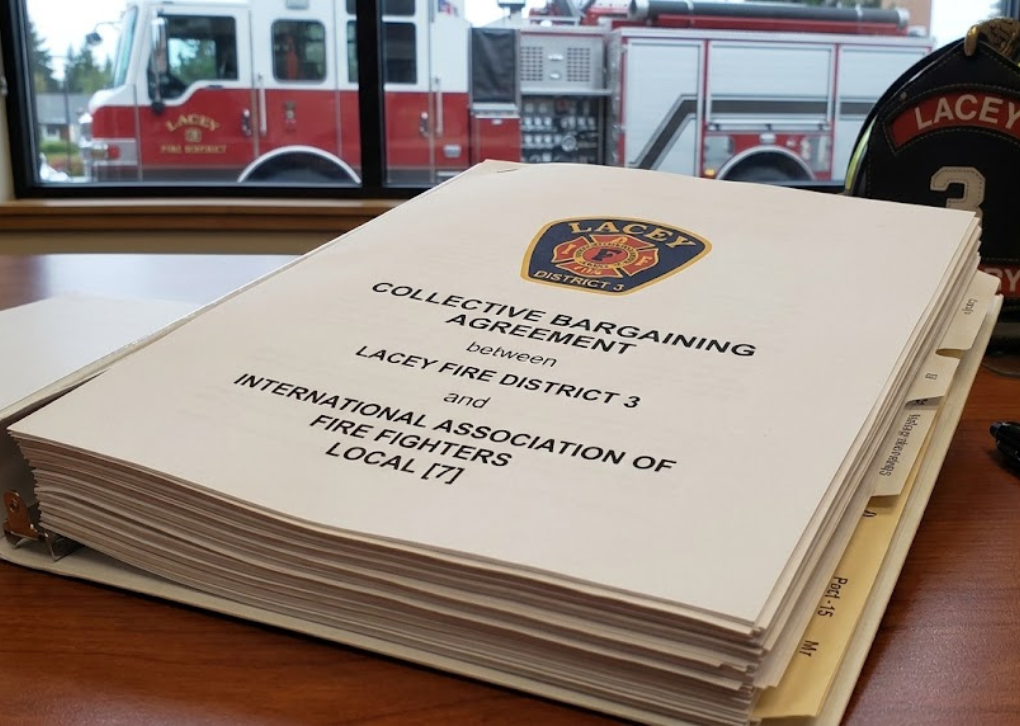
KeyLaceyfire.com collective bargaining agreementwords refers to the search phrase commonly used by people looking for explanations, definitions, and terminology connected with collective bargaining agreements (CBAs), especially agreements involving fire departments, public safety employees, unions, and workplace negotiations.
A collective bargaining agreement is a legally binding contract created through negotiations between an employer and a labor union representing employees. These agreements define employment conditions, wages, benefits, workplace responsibilities, dispute procedures, and employee rights. Understanding the language inside these documents can be difficult because CBAs often contain legal, administrative, and labor-relations terminology.
This guide explains important collective bargaining agreement words, their meanings, and how these terms are used in real workplace situations. Whether you are a firefighter, union member, employer, HR professional, or simply researching labor agreements, this resource breaks down the terminology in a practical way.
What Is a Collective Bargaining Agreement?
A collective bargaining agreement (CBA) is a negotiated workplace contract between an employer and a recognized employee union. It establishes the rules that govern the employment relationship for a specific period.
Unlike an individual employment contract, a CBA covers a group of workers. The agreement represents collective interests rather than one employee’s personal arrangement.
A typical collective bargaining agreement includes:
- Salary schedules
- Working hours
- Overtime rules
- Leave policies
- Health and retirement benefits
- Promotion procedures
- Disciplinary processes
- Grievance procedures
- Union rights
- Management responsibilities
For organizations such as fire departments, CBAs are especially important because they address specialized working conditions, emergency duties, safety requirements, and operational expectations.
KeyLaceyfire.com Collective Bargaining Agreement Words Explained
Understanding KeyLaceyfire.com collective bargaining agreement words requires knowing the common vocabulary used in labor contracts. These terms appear frequently in union agreements and government workplace documents.
1. Bargaining Unit
A bargaining unit is the group of employees officially represented by a union during negotiations.
For example, a fire department bargaining unit may include:
- Firefighters
- Captains
- Emergency response personnel
- Other eligible department employees
The bargaining unit determines who receives the protections and benefits outlined in the agreement.
2. Collective Bargaining
Collective bargaining is the negotiation process between employees and employers.
During bargaining sessions, both sides discuss issues such as:
- Compensation
- Safety conditions
- Work schedules
- Benefits
- Workplace policies
The goal is to reach a mutually acceptable agreement.
A successful negotiation results in a signed collective bargaining agreement.
3. Union Representative
A union representative is a person who acts on behalf of employees during labor discussions.
Their responsibilities may include:
- Representing employee concerns
- Negotiating contract terms
- Assisting workers during disputes
- Communicating union decisions
In many fire service organizations, union representatives play an important role in protecting employee rights.
Common Collective Bargaining Agreement Terms and Their Meanings
Contract Term
The contract term refers to the period when the agreement remains legally active.
A CBA may last:
- One year
- Three years
- Five years
During this period, both parties must follow the agreed conditions unless modifications are negotiated.
Wage Scale
A wage scale outlines employee pay rates based on position, rank, or experience.
A fire department wage scale may include:
- Recruit firefighter pay
- Firefighter salary levels
- Seniority increases
- Promotional pay rates
Wage schedules help employees understand their expected compensation.
Step Increase
A step increase is a scheduled salary increase based on time served or experience.
Example:
- Year 1: Entry salary
- Year 2: Step increase
- Year 3: Higher pay level
Many union contracts use step systems to reward employee longevity.
Seniority
Seniority refers to the length of service an employee has with an organization.
Seniority can influence:
- Shift selection
- Vacation choices
- Promotions
- Layoff decisions
In many collective bargaining agreements, senior employees receive priority rights.
Fire Department Collective Bargaining Agreement Words
Because fire services involve emergency response and public safety, their agreements often include specialized terminology.
Minimum Staffing
Minimum staffing defines the minimum number of employees required for safe operation.
For fire departments, staffing rules may specify:
- Number of firefighters per engine
- Number of personnel per shift
- Required emergency coverage
Minimum staffing protects both firefighters and the public.
Shift Assignment
A shift assignment determines when employees work.
Common fire department schedules include:
- 24-hour shifts
- Rotating shifts
- Day and night assignments
Collective agreements often establish how these assignments are managed.
Callback Pay
Callback pay refers to compensation provided when employees are required to return to work after completing their scheduled shift.
Examples include:
- Emergency incidents
- Special assignments
- Staffing shortages
Hazard Pay
Hazard pay is additional compensation for dangerous working conditions.
Firefighters may receive hazard-related benefits because their duties involve:
- Fire emergencies
- Rescue operations
- Exposure risks
- Dangerous environments
Important Legal Words Used in Collective Bargaining Agreements
Grievance
A grievance is a formal complaint that an employee or union files when they believe the agreement has been violated.
Common grievance issues include:
- Incorrect pay
- Contract violations
- Unfair discipline
- Scheduling disputes
The grievance process provides a structured method for resolving conflicts.
Arbitration
Arbitration is a dispute-resolution process where a neutral third party reviews the disagreement and makes a decision.
Many CBAs require arbitration before legal action.
Types include:
- Binding arbitration
- Non-binding arbitration
Memorandum of Understanding (MOU)
A Memorandum of Understanding is a written agreement between parties that explains specific terms or changes.
An MOU may be used for:
- Temporary workplace changes
- New policies
- Additional benefits
Management Rights
The management rights clause defines decisions that remain under employer authority.
These may include:
- Department operations
- Budget decisions
- Organizational structure
- Work assignments
However, these rights are usually balanced with employee protections.
Employee Rights Covered in Collective Bargaining Agreements
A strong CBA protects employees by establishing clear workplace standards.
Important employee protections include:
Fair Compensation
Employees receive defined salary structures, overtime rules, and benefit protections.
Workplace Safety
Safety clauses address equipment, training, and operational standards.
Due Process
Employees have rights during disciplinary procedures.
Equal Treatment
CBAs often include provisions preventing unfair workplace practices.
How Collective Bargaining Agreements Are Negotiated
The negotiation process usually follows several stages.
Step 1: Preparation
Both sides review existing agreements and identify issues requiring changes.
Step 2: Negotiation Meetings
Union and employer representatives discuss proposed modifications.
Topics may include:
- Salary adjustments
- Benefits
- Staffing
- Workplace rules
Step 3: Tentative Agreement
When both parties reach a compromise, they create a tentative agreement.
Step 4: Approval and Ratification
Union members typically vote to approve the final agreement.
Step 5: Implementation
The new contract becomes effective according to the agreed date.
Why Understanding Collective Bargaining Agreement Words Matters
Legal contracts can contain complex language. Knowing the terminology helps employees and employers make informed decisions.
Understanding these words allows people to:
- Interpret workplace rights
- Understand union protections
- Participate in negotiations
- Identify contract violations
- Communicate effectively with representatives
For public safety workers, including firefighters, contract knowledge can directly affect career conditions, compensation, and workplace safety.
Common Mistakes People Make When Reading a CBA
Ignoring Definitions Section
Many agreements define important words at the beginning of the document. Skipping this section can create misunderstandings.
Confusing Policies With Contract Rights
Not every workplace rule has the same legal status as a negotiated agreement.
Missing Side Agreements
Additional documents, such as MOUs, may modify the main contract.
Overlooking Expiration Dates
Employees should always know when a contract expires because negotiations may affect future conditions.
Frequently Asked Questions About KeyLaceyfire.com Collective Bargaining Agreement Words
What does KeyLaceyfire.com collective bargaining agreementwords mean?
KeyLaceyfire.com collective bargaining agreementwords refers to terminology and explanations related to collective bargaining agreements, especially labor contract vocabulary used in workplace and union environments.
The phrase generally connects users searching for definitions of CBA terms, contract language, and labor agreement explanations.
What are the most important words in a collective bargaining agreement?
The most important collective bargaining agreement words include:
- Bargaining unit
- Union representative
- Grievance
- Arbitration
- Seniority
- Wage scale
- Overtime
- Management rights
- Staffing requirements
- Contract term
These terms define employee rights, responsibilities, and workplace procedures.
Are collective bargaining agreements legally binding?
Yes. A properly negotiated and approved collective bargaining agreement is generally a legally enforceable contract between an employer and a labor organization.
Both parties are expected to follow the agreed terms during the contract period.
Who creates a collective bargaining agreement?
A collective bargaining agreement is created by representatives from both sides:
- Employer representatives
- Union representatives
- Negotiation teams
- Legal or labor specialists when required
The final agreement requires approval according to applicable labor rules.
How can employees understand their collective bargaining agreement?
Employees can better understand their CBA by:
- Reading the definitions section
- Reviewing salary and benefit sections
- Asking union representatives questions
- Understanding grievance procedures
- Learning important contract terminology
Knowledge of contract language helps employees protect their workplace rights.
Final Thoughts: Understanding Collective Bargaining Agreement Language
Collective bargaining agreements contain the rules that shape many workplaces, especially unionized environments such as fire departments and public safety organizations. The terminology may seem complicated at first, but understanding common KeyLaceyfire.com collective bargaining agreement words makes these contracts easier to interpret.
Employees should focus on the sections covering wages, benefits, scheduling, safety, discipline, and dispute resolution. Employers should also understand these terms to maintain fair labor relationships and comply with negotiated commitments.
The best next step is simple: review your specific collective bargaining agreement, identify unfamiliar terms, and compare them with the definitions explained in this guide. A clear understanding of contract language helps everyone build a more transparent and productive workplace.