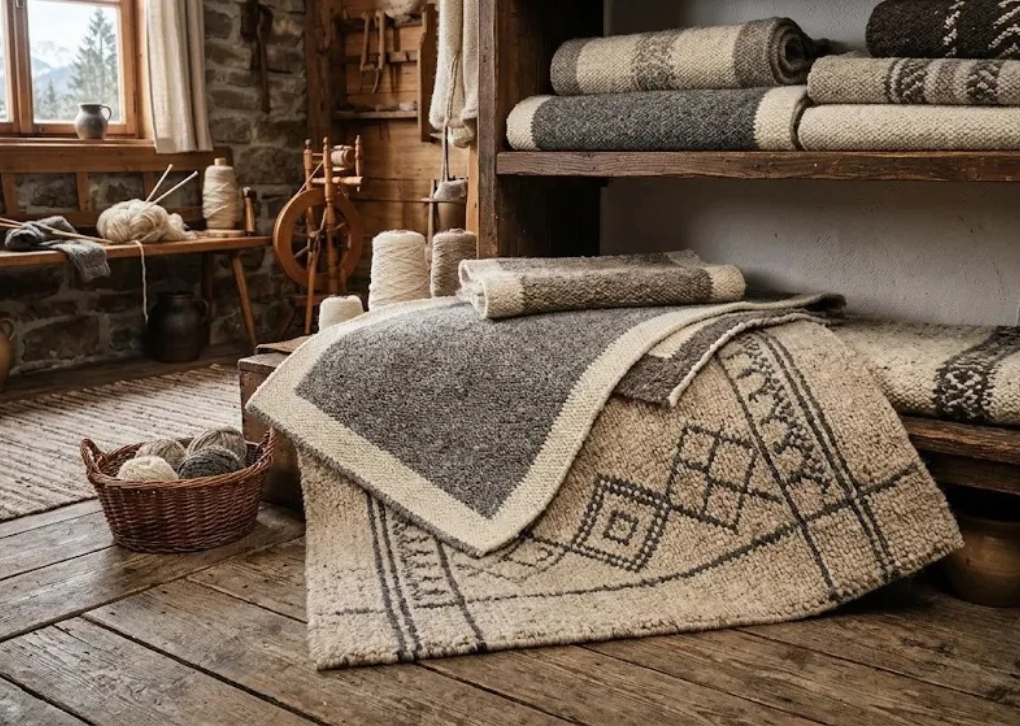
Wollmatten are natural wool mats valued for their warmth, breathability, moisture management, and versatility. Whether used as cozy floor coverings, garden mulch, acoustic panels, or insulation materials, these wool-based products offer practical advantages that many synthetic alternatives struggle to replicate. Their combination of traditional craftsmanship and modern functionality makes them particularly interesting for homeowners, gardeners, designers, and environmentally conscious buyers.
But not every wool mat performs the same way. A soft felted rug designed for a living room has very different properties from a dense wool insulation panel or a biodegradable garden mat. Understanding these differences is essential before choosing a product, especially when factors such as durability, moisture exposure, maintenance, and price influence long-term value.
This guide explores how wool mats are manufactured, where they work best, what makes them sustainable, and how to identify quality materials without falling for misleading marketing claims.
What Are Wollmatten?
The German word Wollmatten translates to wool mats in English. It describes a broad category of mat-like products made entirely or partly from wool fibers, commonly sourced from sheep.
Depending on their construction, wool mats may serve decorative, protective, thermal, agricultural, or industrial purposes. Some are thick and soft, while others are compressed into firm sheets designed for structural applications.
Unlike a conventional synthetic mat, a natural wool mat relies on the physical characteristics of wool fibers. Their crimped structure traps air, their keratin composition helps regulate moisture, and their resilient fibers can recover from moderate compression.
Understanding the Different Forms of Wool Mats
| Type | Main application | Key characteristic |
|---|---|---|
| Wool felt mats | Crafts, furniture, interiors | Dense, flexible construction |
| Wool rugs | Living rooms, bedrooms | Comfort and warmth |
| Wool insulation mats | Walls, roofs, buildings | Thermal and acoustic insulation |
| Garden wool mats | Soil protection and mulching | Moisture management and biodegradability |
| Wool mattress pads | Bedding and sleep comfort | Breathability and cushioning |
| Industrial wool felt | Machinery and protective surfaces | Compression resistance and adaptability |
| Acoustic wool panels | Offices and studios | Sound absorption |
The most important distinction is intended use. A mat that performs exceptionally well indoors may deteriorate quickly outdoors, while an agricultural wool mat may be unsuitable for interior decoration.
Why Are Wollmatten Becoming Popular?
Natural materials are attracting renewed interest as consumers seek alternatives to petroleum-based products. Wool fits into this conversation because it is renewable, durable under suitable conditions, and naturally biodegradable when untreated.
Its appeal extends beyond environmental considerations. Wool also offers functional properties that make it useful in homes, gardens, construction projects, and commercial spaces.
1. Natural Thermal Insulation
Wool fibers contain natural crimp, creating small air pockets within the material. These trapped pockets reduce heat transfer and help maintain comfortable temperatures.
Thicker wool mats can provide insulation beneath rugs, within building cavities, or around surfaces requiring thermal protection. However, actual insulation performance depends on density, thickness, installation quality, and moisture conditions.
2. Effective Moisture Regulation
Wool can absorb substantial amounts of water vapor without immediately feeling wet. This makes it useful in environments where humidity fluctuates.
The material helps buffer short-term moisture changes, although it cannot replace ventilation, waterproofing, or proper moisture control. Prolonged dampness can still create hygiene and durability problems.
3. Comfortable and Resilient Texture
The elasticity of wool fibers gives many mats a soft yet supportive feel. This is particularly desirable in floor coverings, seating pads, and bedding accessories.
Quality construction also helps the material maintain its structure after repeated use. High-traffic areas, however, require appropriate fiber density and backing.
4. Renewable Material Source
Sheep produce new fleece through their natural wool growth cycle, making wool a renewable animal-derived fiber.
That does not automatically make every wool product environmentally superior. Farming practices, animal welfare, transportation, chemical treatments, and manufacturing energy all affect the overall environmental footprint.
5. Long-Term Versatility
Wool can be felted, woven, needle-punched, layered, or blended with other fibers. These manufacturing techniques create products with substantially different textures and performance characteristics.
This versatility explains why wool mats appear in everything from luxury interior design to horticultural supplies.
Types of Wollmatten and Their Best Applications
Choosing the correct product begins with understanding its construction. Wool mats are not interchangeable simply because they share the same primary raw material.
Felted Wool Mats
Felted mats are produced by mechanically interlocking wool fibers through moisture, heat, pressure, agitation, or needle-punching techniques.
The resulting material is relatively dense and can be cut into various shapes without the fraying associated with many woven textiles.
Common applications include furniture protection, craft projects, decorative wall coverings, table accessories, and equipment padding.
Woven Wool Mats
Woven mats are made by interlacing yarns, often creating a flexible surface with decorative patterns or textured finishes.
These products are frequently used as rugs, runners, and interior floor coverings. Their durability depends on yarn quality, weave structure, pile height, and backing construction.
Wool Insulation Mats
Building insulation products typically use processed wool fibers formed into batts, rolls, or panels. Some include binders or additional fibers to maintain their shape.
They can help improve thermal comfort and acoustic performance in buildings. Construction-grade products should be selected according to documented thermal conductivity, fire classification, and relevant building regulations.
Garden Wool Mats
Garden mats are designed to cover soil, protect planting areas, or reduce evaporation. They may also suppress weed growth by limiting the light reaching the soil surface.
Products made from untreated wool can gradually decompose, returning organic material to the soil. Their decomposition rate varies with climate, thickness, soil biology, and manufacturing treatments.
Wool Mattress and Bedding Mats
Wool mattress toppers and underlays provide cushioning and help manage humidity around the sleeping surface.
They are particularly attractive to people who prefer natural bedding materials. Nevertheless, comfort depends on product thickness, construction, mattress compatibility, and individual preferences.
Wollmatten for Home Interiors: Comfort Meets Practical Design
Wool mats can transform the feel of a room without requiring major renovations. Their texture introduces warmth, while natural fiber variations contribute to a softer visual appearance.
In contemporary interiors, wool works particularly well alongside wood, stone, linen, leather, and neutral-colored furniture.
Living Rooms and Bedrooms
A wool rug can make hard flooring more comfortable underfoot. In bedrooms, it creates a pleasant surface beside the bed and can reduce some footstep noise.
For living rooms, consider the following factors:
Pile height: Lower piles are generally easier to vacuum and maintain.
Density: Tightly constructed mats tend to resist deformation better.
Backing: Suitable backing improves stability and helps prevent slipping.
Color: Natural shades conceal some minor variations but may show certain stains.
Placement: Furniture weight and walking patterns influence wear.
A properly sized rug should complement furniture placement rather than appear disconnected from the seating arrangement.
Home Offices and Workspaces
Wool mats can improve comfort beneath desks and chairs, but their compatibility with rolling office chairs deserves attention.
Thick, soft mats may make chair movement difficult. Dense, low-profile felt products or protective chair mats are often more practical.
Acoustic Applications
Wool’s fibrous structure can absorb sound energy, particularly when used in suitably thick, porous panels.
However, acoustic absorption should not be confused with soundproofing. Wool panels can help reduce reflections and reverberation, but they do not necessarily prevent sound from traveling through walls.
For professional acoustic installations, look for measured sound absorption coefficients or standardized test reports.
Wollmatten in Gardening: A Natural Approach to Soil Protection
Garden wool mats offer an alternative to certain plastic-based landscape coverings. Their main purpose is to protect exposed soil while supporting favorable growing conditions.
They are particularly useful around established plants, in raised beds, and in selected landscape projects.
How Wool Mats Help Retain Soil Moisture
A wool covering shades the soil surface and reduces direct exposure to wind and sunlight. This can slow evaporation, helping the ground retain moisture between watering sessions.
The effect depends on soil type, weather conditions, mat thickness, and irrigation methods. Wool does not eliminate the need for watering.
Weed Suppression
A sufficiently dense mat can reduce weed germination by blocking sunlight from reaching the soil.
Existing perennial weeds may still push through openings or grow around edges. Proper soil preparation remains important.
Soil Protection and Gradual Decomposition
Natural wool contains nitrogen and sulfur within its protein structure. As microorganisms break down untreated wool, some nutrients can gradually become available to plants.
This process is slow and variable. Wool mats should not be considered a complete replacement for balanced fertilizers or soil testing.
How to Install Garden Wool Mats
Remove established weeds and unwanted debris from the planting area.
Water the soil before installation if it is unusually dry.
Place the wool covering around existing plants, leaving space around stems.
Secure the edges with appropriate biodegradable pegs or landscape anchors.
Check soil moisture periodically and adjust irrigation as necessary.
Avoid pressing wet material tightly against vulnerable plant crowns, especially in poorly drained conditions.
Wollmatten for Building Insulation
Sheep wool insulation has become an option for homeowners and builders interested in natural construction materials.
Its fibrous structure provides thermal resistance and can contribute to indoor acoustic comfort. The suitability of a particular product depends on its tested specifications, installation method, and building conditions.
Thermal Performance
The thermal conductivity of commercial sheep wool insulation often falls around 0.035–0.045 W/m·K, although the exact value varies by product.
Lower thermal conductivity indicates better resistance to heat flow for a given thickness.
For example, a 100 mm layer with a declared conductivity of 0.040 W/m·K provides an approximate material thermal resistance of:
R = 0.10 ÷ 0.040 = 2.5 m²·K/W
This is a material-only calculation. Complete wall or roof performance also depends on framing, thermal bridges, air leakage, and other construction layers.
Moisture Considerations
Wool can buffer humidity, but it should not be installed in assemblies with unresolved leaks or persistent condensation.
Good building design must account for vapor movement, airtightness, ventilation, and drying potential. A natural insulation material cannot compensate for defective moisture detailing.
Fire Safety
Wool has inherent flame-resistant characteristics compared with some fibers, but it is not automatically noncombustible.
Commercial insulation products may contain fire-retardant treatments. Always check the product’s documented fire classification and local building-code requirements before installation.
Research supports wool’s potential as an effective insulation material, but performance varies between products. A 2024 study reported thermal conductivity values of approximately 0.0333–0.0438 W/m·K for tested sheep wool and hemp insulation materials, while also identifying important differences in water absorption and flammability.
PubMed+1
Wollmatten vs. Synthetic Mats: Which Is Better?
Natural wool and synthetic materials each have advantages. The right choice depends on whether comfort, maintenance, affordability, environmental impact, or outdoor durability matters most.
| Feature | Natural wool mats | Synthetic mats |
|---|---|---|
| Raw material | Renewable animal fiber | Usually petroleum-derived or blended |
| Breathability | Generally good | Depends on construction |
| Moisture regulation | Naturally hygroscopic | Varies by fiber type |
| Biodegradability | Possible when untreated and unblended | Usually limited |
| Initial cost | Often higher | Frequently lower |
| Cleaning | May require special care | Often easier to wash |
| Outdoor durability | Depends on treatment and design | Some products are highly weather-resistant |
| Texture | Naturally warm and resilient | Wide range of finishes |
| Pest susceptibility | May attract textile moths | Generally less susceptible |
Natural wool is not automatically the best material for every situation. Synthetic alternatives may be more practical in constantly wet environments, washable utility areas, or projects with strict budget limits.
Conversely, wool is worth considering when tactile comfort, renewable materials, and humidity buffering are important.
How to Choose High-Quality Wollmatten
A successful purchase requires more than checking color and dimensions. Material composition, manufacturing quality, and application-specific performance determine whether the product meets expectations.
Check the Wool Content
Look for a clearly stated fiber composition.
A product advertised as natural wool may contain polyester, polypropylene, synthetic binders, or other components. These additions are not necessarily undesirable, but they can affect biodegradability, recycling, and performance.
Examine Thickness and Density
Thickness alone does not guarantee durability or insulation quality.
A thick but loosely constructed mat may compress quickly, while a denser felt mat may provide better stability in furniture or craft applications. For insulation, prioritize declared thermal resistance rather than appearance.
Review Chemical Treatments
Some products are treated for moth resistance, fire performance, stain protection, or water repellency.
Ask manufacturers to disclose relevant treatments and provide safety documentation where applicable. This is especially important for gardening products intended to biodegrade in soil.
Match the Product to Its Environment
Indoor flooring, outdoor planting beds, and building cavities impose different demands.
Choose materials specifically manufactured and tested for the intended application rather than adapting decorative wool felt for technical purposes.
Look for Reliable Documentation
Useful product information includes fiber composition, dimensions, weight per square meter, care instructions, and relevant test results.
For building insulation, request the declared thermal conductivity, fire classification, and applicable technical approvals.
How Much Do Wollmatten Cost?
Prices vary considerably by country, supplier, wool quality, thickness, dimensions, manufacturing method, and certification.
Because the term covers several unrelated product categories, a single average price would be misleading.
| Product category | Main pricing factors |
|---|---|
| Decorative wool felt | Thickness, color, density, dimensions |
| Wool rugs | Size, weaving method, design, origin |
| Garden mulch mats | Area coverage, wool content, thickness |
| Insulation batts | Thermal performance, thickness, coverage |
| Mattress toppers | Filling weight, cover fabric, size |
| Industrial felt | Density, tolerances, specialist treatment |
For a meaningful comparison, calculate the cost per square meter and include delivery, installation, maintenance, and expected replacement frequency.
A more expensive mat may offer better lifetime value if it lasts longer or performs more effectively. However, that advantage should be established through product specifications rather than assumptions.
How to Clean and Maintain Wool Mats
Proper maintenance helps preserve the appearance and structure of wool products. The correct method depends on whether the mat is woven, felted, padded, or chemically treated.
Routine Cleaning
Vacuum suitable indoor mats regularly using a gentle setting. Avoid aggressive brushes on delicate felted surfaces.
For removable products, follow the manufacturer’s cleaning instructions. Some wool items are washable, while others require professional cleaning.
Removing Stains
Blot spills promptly with a clean, absorbent cloth. Avoid vigorous rubbing because it can spread stains or disturb the fiber structure.
Use a wool-compatible cleaning product after testing a small, inconspicuous area. Excessive moisture, heat, and alkaline detergents can damage certain wool constructions.
Preventing Moth Damage
Textile moth larvae can damage animal fibers, particularly in dark, undisturbed areas.
Keep storage spaces clean, inspect stored products periodically, and use suitable protective storage methods. Wash or professionally clean items before long-term storage when recommended.
Drying and Storage
Allow damp mats to dry thoroughly in a ventilated location, following the product’s care label.
Avoid storing wool in persistently humid spaces. Long-term dampness can encourage odors, microbial growth, and material deterioration.
Common Mistakes to Avoid When Buying Wollmatten
Even premium wool can disappoint when the wrong product is selected.
The most common mistakes include:
Ignoring fiber blends: Assuming every wool-labeled mat is 100% natural.
Choosing by thickness alone: Overlooking density, structure, and measured performance.
Using indoor mats outdoors: Exposing decorative products to unsuitable moisture conditions.
Overlooking fire classifications: Assuming wool insulation requires no safety documentation.
Expecting zero maintenance: Forgetting that natural fibers need appropriate cleaning and storage.
Assuming universal biodegradability: Ignoring synthetic backing, adhesives, and chemical treatments.
Comparing only purchase prices: Neglecting product lifespan and installation costs.
A few minutes spent reviewing technical specifications can prevent expensive mistakes.
Are Wollmatten Truly Sustainable?
The environmental value of wool mats depends on how the wool is sourced, processed, transported, used, and disposed of.
Wool is renewable and can biodegrade under appropriate conditions. However, sheep farming also involves land use, methane emissions, water consumption, and animal welfare considerations.
Manufacturing introduces additional variables. Washing, dyeing, chemical treatments, synthetic binders, and international shipping can influence a product’s environmental footprint.
A credible sustainability assessment should consider the complete lifecycle rather than relying on the word natural.
What Makes a Wool Mat More Environmentally Responsible?
Look for traceable wool sourcing, responsible animal husbandry, durable construction, minimal unnecessary chemical treatments, and transparent manufacturing information.
Products that incorporate otherwise underutilized wool may offer an additional resource-efficiency benefit, although this should be evaluated rather than assumed.
For gardening, untreated and genuinely biodegradable materials can help reduce reliance on persistent plastic coverings. Garden suppliers document applications including mulch mats, winter protection, and moisture-retaining layers.
Dämmwolle+1
Future Trends in Natural Wool Mat Products
Wool is attracting interest in sustainable construction, horticulture, and interior materials as manufacturers explore alternatives to conventional synthetic fibers.
Research is examining wool-based composites, optimized fiber density, acoustic absorption, and improved insulation performance.
One emerging opportunity involves converting lower-value sheep wool into useful construction products rather than discarding it.
Researchers are also investigating how fiber blends and treatments influence thermal conductivity, moisture resistance, and fire behavior. These developments may expand wool’s applications, although commercial products still require independent performance testing.
Springer Nature Link+1
Frequently Asked Questions About Wollmatten
1. What are Wollmatten made of, and are they completely natural?
Wollmatten are primarily made from wool, usually obtained from sheep. The fibers may be woven, felted, or mechanically bonded to create different types of mats.
Not all products contain 100% wool. Some include synthetic binders, backing materials, or chemical treatments to improve durability and functionality, so checking the composition label is essential.
2. Are wool mats better than synthetic mats?
Wool mats offer natural moisture regulation, thermal comfort, and a renewable fiber source. They can be particularly suitable for interior furnishings, selected insulation projects, and biodegradable gardening applications.
Synthetic mats may be more affordable, easier to clean, or better suited to persistent outdoor exposure. The best choice depends on the application rather than the material alone.
3. Can Wollmatten be used outdoors in gardens?
Yes. Garden-specific wool mats can help reduce soil evaporation, suppress some weed growth, and protect exposed planting areas.
Untreated wool may also decompose gradually and contribute organic nutrients to the soil. Choose products specifically designed for horticulture, and avoid materials containing unsuitable synthetic coatings or chemical additives.
4. How long do natural wool mats last?
The lifespan depends on construction quality, frequency of use, environmental exposure, and maintenance.
A well-maintained indoor wool rug can remain functional for many years, while biodegradable garden mats are intentionally designed to break down over time. No single lifespan estimate applies to every product category.
5. Are Wollmatten suitable for people with allergies?
Wool mats may be suitable for some people, but individual reactions vary. Wool fibers can cause skin irritation in sensitive individuals, and rugs can accumulate dust or other allergens without regular cleaning.
People with known wool sensitivity should review the product composition and consider alternatives. Wool should not be described as universally hypoallergenic.
Conclusion: Are Wollmatten Worth Buying?
Wollmatten offer a practical combination of natural materials, comfort, versatility, and specialized performance. From soft interior rugs to garden mulch and building insulation, their usefulness comes from wool’s distinctive fiber structure and its ability to manage heat and moisture.
The key is choosing the right product for the right environment. Not every wool mat is biodegradable, washable, suitable for construction, or capable of withstanding outdoor conditions.
Before purchasing, identify your intended application, compare wool content and construction quality, examine technical specifications, and calculate the total cost of ownership.
Your next step: Shortlist two or three products designed specifically for your needs, compare their material composition and verified performance, and select the one that offers the best balance of durability, functionality, and responsible sourcing.
That approach turns a natural-material preference into a practical, informed buying decision.