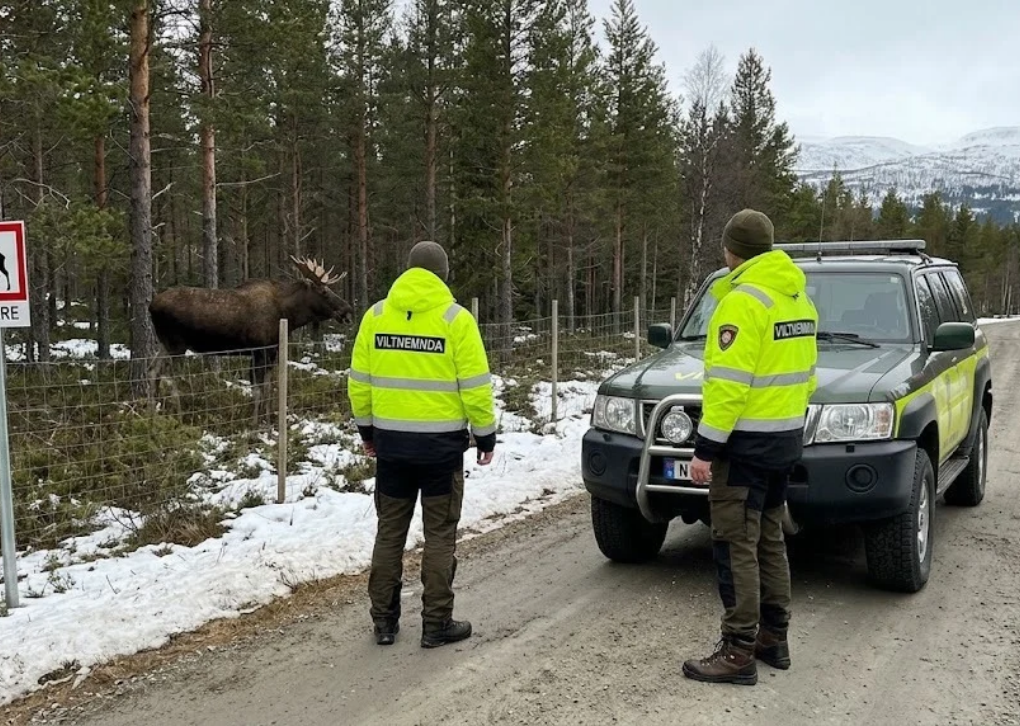
Viltnemnda is an important part of Norway’s local wildlife management system, connecting environmental protection, responsible hunting, animal welfare, and public safety. Whether a driver encounters an injured moose, a landowner needs guidance on hunting permissions, or a municipality must manage deer populations, local wildlife authorities help coordinate decisions that affect both people and nature.
The Norwegian term generally refers to a municipal wildlife committee or board, although its exact responsibilities and organizational structure vary between municipalities. Some local authorities maintain dedicated wildlife committees, while others assign equivalent responsibilities to municipal departments or specialist wildlife response teams.

A particularly important development occurred on July 1, 2026, when Norway’s new Viltressursloven (Wildlife Resources Act) replaced the Wildlife Act of 1981. The legislation largely preserves established wildlife management principles while clarifying and updating the legal framework for hunting, capture, wildlife administration, and related responsibilities.
Understanding how this system works is valuable for Norwegian residents, hunters, farmers, landowners, conservation professionals, and visitors. This guide explains who holds responsibility, what happens during wildlife emergencies, how hunting decisions are made, and which authorities to contact when wildlife-related problems arise.
What Is Viltnemnda and Why Does Norway Need It?
The name combines two Norwegian concepts: vilt, meaning wild animals or wildlife, and nemnd, meaning a committee or board. In practical terms, Viltnemnda describes a local body involved in administering wildlife matters within a municipality (kommune).
Its purpose is not simply to regulate hunting. Local wildlife administration must also consider biodiversity, sustainable animal populations, agricultural interests, road safety, and the humane treatment of injured animals.
The History Behind Norway’s Wildlife Committees
Norway has a long tradition of managing wildlife through a combination of national legislation and local decision-making. Historically, wildlife committees performed state-related administrative duties at the municipal level.
In 1993, responsibility for these functions was transferred to municipalities, allowing each local government to determine its preferred organizational structure. According to Hamar Municipality, some communities retained politically appointed committees because wildlife management requires specialized local knowledge, while others integrated the work into existing municipal administration.
This historical distinction explains why Viltnemnda may appear prominently on one municipality’s website but be absent from another’s organizational chart.
Why Local Wildlife Knowledge Matters
A national wildlife policy cannot account for every geographical difference across Norway. Coastal communities, mountain regions, agricultural districts, and heavily forested municipalities face different environmental pressures.
For example, a community with significant moose populations may prioritize reducing vehicle collisions, while a municipality with extensive farmland may pay closer attention to deer grazing and crop damage.
Effective local management depends on understanding conditions on the ground, rather than applying identical population targets everywhere.
How Viltnemnda Is Organized in Norwegian Municipalities
There is no requirement for every Norwegian municipality to maintain an identically named wildlife committee. The municipality is the public authority responsible for its assigned wildlife management functions, but the internal administrative arrangement can differ.
Where a dedicated Viltnemnda exists, its membership, delegated powers, meeting procedures, and relationship with municipal staff are determined through local governance arrangements.
Different Municipalities, Different Structures
Two real examples illustrate this distinction.
Hamar Municipality maintains a wildlife and fisheries committee, known as vilt- og fiskenemnda. Its stated responsibilities include contributing to hunting quota proposals, wildlife management, and consideration of certain damage-control applications.
Sandefjord Municipality, meanwhile, has discontinued its political wildlife committee. The practical work involving injured wildlife and tracking animals after incidents is handled through a municipal search and response team (ettersøkskorps).
Neither approach automatically indicates stronger conservation standards. What matters is whether the municipality maintains clear responsibilities, qualified personnel, lawful procedures, and an effective response system.
Who Typically Participates?
Depending on local arrangements, wildlife management may involve:
Municipal officials: Responsible for administration, documentation, and implementation of public decisions.
Committee representatives: Participate in decisions or advisory work under the municipality’s delegated authority.
Wildlife specialists: Provide ecological knowledge and practical management advice.
Licensed hunters and tracking teams: Assist with authorized searches, injured wildlife, and population management.
Landowners and agricultural representatives: Contribute information about habitat conditions, hunting areas, and wildlife-related damage.
Regional authorities: Coordinate decisions that extend beyond individual municipal boundaries.
The people providing technical advice are not necessarily the people legally authorized to make final decisions. That distinction is especially important for hunting permits, wildlife culling, and complaints against administrative decisions.
Core Responsibilities of Viltnemnda
Although individual committees operate under different local mandates, several responsibilities consistently appear in Norwegian municipal wildlife management.
The central challenge for Viltnemnda is balancing conservation and sustainable use with animal welfare, public safety, and legitimate property interests.
1. Managing Wildlife Populations
One of the most significant duties concerns the management of large deer species, particularly moose (elg), red deer (hjort), and roe deer (rådyr).
Wildlife populations are influenced by food availability, winter conditions, reproduction, hunting pressure, and habitat quality. Excessive browsing can damage forests and agricultural land, while animal movements across roads create additional risks.
Norway’s agricultural authorities identify monitoring, hunting management, animal welfare, and damage prevention as essential elements of deer management.
2. Supporting Hunting Administration
Local authorities perform important functions involving hunting areas, population-management plans, and permitted harvest levels.
Where these responsibilities have been delegated, Viltnemnda may review proposals, assess supporting information, and participate in decisions within its lawful mandate.
This is a regulated process. A landowner’s ownership of forest or agricultural property does not automatically mean unrestricted permission to hunt every wildlife species found there.
3. Responding to Injured Wildlife
Wild animals can suffer injuries through vehicle collisions, accidents, illness, or hunting-related incidents. Some incidents require specialized tracking, veterinary assessment, or humane euthanasia by authorized personnel.
Local wildlife response arrangements help ensure that reports reach appropriately qualified responders rather than leaving untrained members of the public to handle dangerous situations.
4. Advising on Wildlife Damage
Wildlife sometimes damages crops, young trees, buildings, or other property. Municipal authorities may provide advice about lawful preventive measures and direct applicants to the appropriate decision-making body.
However, the presence of an unwanted animal does not automatically justify killing it. The species, seriousness of the damage, legal protections, available alternatives, and competent authority must all be considered.
5. Protecting Habitats and Biodiversity
Long-term wildlife management is impossible without suitable habitats. Forest development, transport infrastructure, recreational activity, and land-use changes can influence animal movements and breeding conditions.
Where included in its mandate, the committee may provide comments on municipal planning proposals and highlight the importance of migration corridors, feeding areas, and habitat connectivity.
These contributions can help identify conflicts before they result in costly wildlife-management problems.
Viltnemnda and Norway’s New Wildlife Law in 2026
Norway’s legal framework changed significantly when Viltressursloven came into force on July 1, 2026. The legislation replaced the previous Viltloven from 1981 and provides the current statutory framework for hunting, capture, wildlife management, and related administrative decisions.
The Norwegian government describes the legislation as largely continuing existing law while modernizing and clarifying its provisions. Existing municipal arrangements must therefore be understood alongside the current legislation, applicable regulations, and local delegations of authority.
What Does the 2026 Legislation Mean for Viltnemnda?
Section 7 of the Wildlife Resources Act addresses the responsibilities of municipalities and county municipalities. Both are required to support the legislation’s objectives and provide guidance in wildlife management matters.
The same provision identifies the Statsforvalteren, or County Governor, as the appeal authority for individual decisions made by municipalities under the act or regulations issued under it.
Three distinctions are particularly useful:
National legislation establishes the legal framework and distributes public responsibilities.
Municipal authorities implement their assigned duties and make decisions within their legal powers.
Local wildlife committees exercise only the powers that have been lawfully delegated to them.
This means a committee cannot independently rewrite national hunting rules or authorize measures outside its jurisdiction.
How the Rules Affect Hunters and Landowners
The updated framework makes it especially important to check current municipal hunting regulations rather than relying on outdated information.
According to the Norwegian Agriculture Agency, municipalities must establish local regulations to open hunting for moose, red deer, and roe deer. They must also establish minimum hunting-area requirements for these species, while specific provisions address beaver hunting and fees for harvested moose and red deer.
Before beginning a hunt, the relevant people should verify the applicable hunting season, species restrictions, approved area, allocated permits, reporting duties, and any other conditions.
How Viltnemnda Supports Sustainable Hunting
Hunting management in Norway is closely connected to ecological monitoring. The objective is not simply to increase or decrease the number of animals, but to maintain populations that are compatible with habitat conditions and public interests.
Viltnemnda can contribute local expertise to this process, particularly where a municipality has assigned the committee relevant hunting-administration responsibilities.
Hunting Quotas and Population Management Plans
Norwegian wildlife administration uses several important concepts:
| Norwegian term | Meaning | Practical importance |
|---|---|---|
| Fellingskvote | Harvest quota | Determines the permitted number of animals |
| Vald | Approved hunting management area | Defines land recognized for the relevant hunting administration |
| Minsteareal | Minimum area requirement | Helps determine eligibility and quota calculations |
| Bestandsplan | Population management plan | Establishes multi-year population and harvest objectives |
| Fellingstillatelse | Hunting or harvest permit | Authorizes harvesting within specified conditions |
| Ettersøk | Search for injured wildlife | Helps locate animals that may need assistance or humane dispatch |
| Fallvilt | Wildlife found dead or otherwise lost outside ordinary harvesting | Relevant to records, monitoring, and response arrangements |
Norway’s Agriculture Agency explains that municipalities approve hunting areas, determine minimum-area requirements, allocate quotas, and approve population-management plans.
A Practical Example of Data-Based Hunting Decisions
Imagine a municipality where monitoring suggests deer numbers have increased over several years. Residents report more road crossings, and forest owners identify growing damage to young trees.
Rather than setting an arbitrary quota, wildlife administrators can evaluate observed animals, previous hunting results, habitat conditions, population recruitment, and traffic incidents.
The resulting management plan might recommend adjusting the harvest in particular areas while maintaining the population’s long-term viability. Viltnemnda, if involved, contributes within the decision-making authority assigned to it.
This approach is more defensible than reacting to a single dramatic incident or assuming that one unusually active hunting season reflects the entire population.
Why Hunting Plans Need Regular Review
A hunting plan should never be treated as permanently accurate. Weather, vegetation, migration, disease, land-use changes, and reproduction can alter conditions between seasons.
For eligible moose and red deer management areas, Norwegian rules provide for multi-year population plans, generally covering between two and five years. These plans must align with municipal management objectives and contain specified harvest information.
Reviewing trends annually allows managers to identify whether population targets remain realistic and whether corrective measures are necessary.
Viltnemnda and Wildlife Road Accidents: What Drivers Must Do
A collision with a moose or deer can be frightening, particularly on a dark rural road. The animal may disappear into nearby woodland, leaving the driver uncertain whether it has been injured.
In Norway, reporting an animal collision is a legal obligation, even when the incident was accidental.
The Norwegian Public Roads Administration (Statens vegvesen) explains that hitting an animal is not itself a criminal offence, but failing to report the incident can be. Its guidance instructs drivers to contact the police on 02800 so the appropriate wildlife authorities or responders can be notified.
Step-by-Step: What to Do After Hitting Wildlife
Stop safely. Pull over when possible without creating additional danger for approaching vehicles.
Secure the scene. Activate hazard lights, wear a reflective vest, and position a warning triangle where it is safe to do so.
Check for injuries. If anyone needs urgent medical assistance, call 113. For an immediate police emergency, call 112.
Report the collision. Contact the Norwegian police on 02800 for a non-emergency wildlife collision.
Provide an accurate location. Share road names, landmarks, GPS coordinates, and information about the animal.
Do not chase the animal. Following an injured moose or deer could be dangerous and may interfere with tracking dogs.
Mark the location if instructed. If authorities permit you to leave, mark the collision point or where the animal disappeared so responders can locate it.
These steps follow the principles published by Statens vegvesen and Hamar Municipality.
What Happens After a Collision Is Reported?
The police can pass information to the municipal wildlife response service, which may operate under Viltnemnda or through a separate specialist team.
Qualified responders evaluate the available information and decide whether a search is necessary. A trained tracking dog may be used when an injured animal has moved away from the road.
Responders then assess whether the animal can survive or whether humane euthanasia is necessary under applicable rules.
Do not attempt to kill a large injured animal yourself. Follow police instructions and allow authorized personnel to assess the situation.
Why Accurate Location Information Is So Valuable
A collision report saying only that a deer was struck somewhere along a rural road can leave responders searching a very large area. A precise GPS location makes it easier to identify the correct starting point.
It also helps to report which direction the animal travelled, whether it appeared to be limping, and whether more than one animal was present.
Avoid disturbing tracks or entering dense woodland after the animal. Preserving the scene can make a specialist search safer and more effective.
What About Sick, Injured or Dangerous Wildlife Outside Traffic Accidents?
Not every wildlife emergency involves a vehicle. Residents may encounter an injured bird, a seriously weakened deer, or an animal showing unusual behaviour.
Viltnemnda may be a useful local contact where it has responsibility for the particular type of incident, but it is important not to assume that every wildlife issue belongs to the same authority.
Norwegian animal welfare principles require people to assist animals that are clearly sick, injured, or helpless, as far as reasonably possible. The appropriate response depends on the species, circumstances, and safety considerations.
Which Authority Handles Different Wildlife Problems?
| Situation | Appropriate first contact or approach |
|---|---|
| Moose or deer struck by a vehicle | Police on 02800; emergency numbers if people are in danger |
| Seriously injured large deer found outdoors | Police or municipal wildlife response service |
| Sick or injured wild bird | Relevant municipal guidance, wildlife advice service, or veterinary guidance |
| Suspected contagious wildlife disease | Follow guidance from Mattilsynet, Norway’s Food Safety Authority |
| Wolf, bear, lynx, or other large-carnivore management issue | Relevant regional or national wildlife authority, depending on the case |
| Deer damaging agricultural crops | Municipal wildlife or agricultural administration |
| Healthy animal considered a nuisance | Identify the applicable preventive measures and responsible authority before requesting intervention |
Responsibilities for large carnivores are particularly specialized. The Norwegian Environment Agency explains that municipalities have limited powers in predator management, with certain measures requiring authorization from the Statsforvalteren or another competent authority.
Animal Welfare Must Come Before Convenience
Wildlife can sometimes create genuine inconvenience without being injured or posing an immediate danger. A healthy deer eating garden plants, for example, is not equivalent to a deer suffering from a serious collision injury.
These situations require different legal and practical responses.
Appropriate first measures might involve fencing, habitat-sensitive deterrence, improved waste management, or professional advice. Destructive intervention should never be treated as an automatic first option.
Viltnemnda, Wildlife Data and Environmental Monitoring
Modern wildlife management increasingly relies on measurable evidence rather than estimates based on occasional sightings. Norway uses structured reporting systems to monitor population trends, hunting outcomes, and wildlife mortality.
An important resource for Viltnemnda and other local wildlife administrators is Hjorteviltregisteret, Norway’s national deer-management database.
How Hjorteviltregisteret Works
The database contains information about moose, red deer, roe deer, wild reindeer, and recorded deaths of selected wildlife species.
It makes data available across geographical levels, ranging from individual hunting areas to national statistics. Municipal officials, hunters, hunting-area representatives, and wild reindeer management bodies have different reporting and administrative roles.
Useful indicators include:
Harvest statistics: How many animals were legally harvested.
Population observations: Information collected during hunting activities.
Age and sex distribution: Evidence about the composition of wildlife populations.
Recruitment: Indicators of successful reproduction and younger animals entering populations.
Carcass weights: Information that may contribute to assessments of animal condition.
Recorded wildlife deaths: Data concerning animals found dead outside ordinary hunting.
Why Combining Different Data Sources Matters
A single statistic rarely explains an entire ecological situation. Increasing deer sightings, for example, may reflect a population increase, changing animal behaviour, or changes in observation effort.
Wildlife administrators therefore benefit from comparing several indicators over time.
Viltnemnda can use this broader evidence, within its local responsibilities, to contribute to more informed discussions about population targets, road safety, and habitat management.
How Municipal Wildlife Management Is Funded
Managing wildlife has real costs. Responding to nighttime vehicle collisions, maintaining tracking arrangements, collecting biological information, and administering hunting regulations all require resources.
One important funding mechanism is the municipal wildlife fund, known in Norwegian as kommunalt viltfond.
Such funds can receive income associated with hunting-related fees and other legally specified sources. Their use is governed by regulations rather than being freely determined by individual committee members.
The Norwegian government’s 2026–2027 budget documentation describes the role of municipal wildlife funds and the collection of harvesting fees for moose and red deer.
Why Funding Is a Practical Challenge
A rural municipality with extensive roads through wildlife habitat may experience substantial costs from collisions and searches. These costs do not necessarily correspond to the amount collected through local hunting fees.
Norwegian government reporting has identified situations in which municipal costs associated with injured wildlife and road collisions exceed available wildlife-fund resources.
This creates an important policy challenge: maintaining an effective animal-welfare response service without reducing the resources available for preventive and long-term management work.
A well-organized Viltnemnda can contribute valuable local knowledge to funding priorities where its mandate includes financial recommendations or oversight.
How to Find and Contact Viltnemnda in Norway
There is no single nationwide contact number for every municipal wildlife committee. The correct contact depends on your location and the type of assistance needed.
For routine questions, the most reliable starting point is the relevant municipality’s official website.
Finding the Correct Local Authority
Use this process:
Identify the municipality where the wildlife issue occurred or where the relevant hunting property is located.
Search its official website using terms such as viltforvaltning, viltnemnd, fallvilt, or ettersøk.
Check the responsible department, which may be listed under agriculture, environment, forestry, or municipal administration.
Find the correct contact information for ordinary inquiries, hunting applications, or urgent wildlife incidents.
Verify the current arrangement, especially when an older webpage refers to a committee that may have been reorganized.
For an urgent wildlife collision, use the police reporting procedure rather than relying on an ordinary municipal email address.
Information to Include When Reporting a Problem
When contacting Viltnemnda or the appropriate municipal wildlife service, a clear report improves the chances of receiving useful guidance.
Include the following where relevant:
The municipality and precise location.
The species involved, if known.
Whether the animal is injured, dead, or apparently healthy.
When the incident occurred.
Any immediate risk to people, vehicles, or other animals.
Photographs taken from a safe distance, if available.
Your contact details and the type of assistance requested.
For non-urgent administrative issues, written communication also helps create a record of the information provided and the response received.
Viltnemnda vs. Other Norwegian Wildlife Authorities
Norway’s wildlife administration includes several organizations with different responsibilities. Confusing these bodies can delay applications or result in contacting an authority without the power to resolve a particular issue.
| Authority | Main role |
|---|---|
| Municipal wildlife administration | Local deer management, relevant permits, and assigned wildlife duties |
| Fylkeskommunen | Regional coordination and guidance on certain wildlife management matters |
| Statsforvalteren | Appeals and specified regional environmental responsibilities |
| Landbruksdirektoratet | National administration and professional guidance concerning harvestable wildlife resources |
| Miljødirektoratet | National environmental management, protected species, and specified wildlife regulations |
| Villreinnemnda | Specialized regional management concerning wild reindeer |
| Rovviltnemnda | Regional management functions concerning large carnivores |
These roles are not interchangeable. For example, local Viltnemnda representatives do not automatically possess the powers assigned to regional predator-management bodies or national environmental agencies.
The Agriculture Agency provides a detailed explanation of the different administrative levels involved in Norwegian deer management.
Can You Appeal a Wildlife Management Decision?
Yes, certain municipal wildlife decisions can be appealed through established administrative procedures.
Under Section 7 of the 2026 Wildlife Resources Act, the County Governor is the appeal authority for individual municipal decisions made under that legislation or its regulations.
Anyone considering an appeal should examine the written decision, identify the responsible authority, review the stated grounds, and follow the appeal instructions and deadline.
This process creates an opportunity to challenge decisions through the proper administrative channels rather than relying solely on informal disagreement.
Challenges and Future Priorities for Viltnemnda
Wildlife management faces pressures that extend beyond traditional hunting administration. Climate variability, changing land use, expanding road networks, and competing interests can make wildlife decisions increasingly complex.
For Viltnemnda, where such a committee exists, the value of local knowledge will depend on how effectively it is combined with reliable data, transparent procedures, and cooperation between authorities.
Reducing Wildlife-Vehicle Collisions
Preventive work can offer benefits for drivers and animals alike. Measures may include better road visibility, wildlife fencing, warning signs, crossing structures, and targeted improvements at known collision locations.
Statens vegvesen identifies several such approaches as part of its work to reduce animal collisions on Norwegian roads.
Municipal wildlife observations may help identify locations where further investigation or coordinated preventive action is warranted.
Balancing Conservation With Agricultural Needs
Farmers and forest owners may experience economic damage from wildlife, while hunters and conservation interests may favour maintaining healthy animal populations.
A workable approach requires evaluating these competing needs through evidence, lawful management tools, and constructive consultation.
The objective should not be to eliminate every conflict. It should be to reduce avoidable damage while maintaining viable wildlife populations and respecting ecological limits.
Improving Transparency and Public Understanding
Wildlife management can become controversial when residents do not understand why hunting quotas change or why a particular intervention is approved or rejected.
Publishing accessible management objectives, explaining the evidence behind decisions, and clearly identifying responsible authorities can help build confidence.
This is especially useful when difficult decisions involve animal welfare, public safety, and long-term conservation goals.
Frequently Asked Questions About Viltnemnda
1. What is Viltnemnda in Norway, and what does it do?
Viltnemnda is the Norwegian name commonly used for a municipal wildlife committee. Its responsibilities may involve wildlife population management, hunting administration, advising on habitat protection, and participating in local wildlife-related decisions.
Not every municipality operates a dedicated committee under this name. Some assign the same public responsibilities to municipal departments or specialist teams.
The most important distinction is between the municipality’s legal responsibilities and the particular tasks delegated to an individual committee. Anyone seeking assistance should check the current structure of the municipality concerned.
2. Is Viltnemnda responsible for injured or dead animals?
A municipal wildlife service may be responsible for handling injured large deer, wildlife collisions, and certain other incidents involving dead or seriously injured animals.
However, responsibilities vary according to the species, circumstances, and legal framework. Not every sick bird, nuisance animal, or injured predator falls under the same local response system.
For a vehicle collision involving wildlife, the recommended first action is to contact the police on 02800. For other incidents, consult the relevant municipality or competent wildlife authority, and do not put yourself at risk.
3. Does Viltnemnda decide hunting quotas and permits?
Viltnemnda may participate in hunting-related decisions when a municipality has delegated appropriate authority to it.
Municipalities have responsibilities concerning approved hunting areas, minimum-area rules, quotas, and population-management plans for relevant species. The precise internal decision-maker depends on local governance arrangements.
National legislation and regulations still control what can legally be authorized. Hunters should therefore confirm current permits, hunting seasons, and local requirements before beginning hunting activities.
4. What should I do if I hit a moose or deer while driving in Norway?
Stop safely, secure the incident location, and contact the police on 02800. Give an accurate location and explain which animal was involved and whether it moved away.
Do not follow an injured animal into the forest. Doing so can expose you to danger and make the work of professional tracking teams more difficult.
If there is an immediate emergency involving people, use the appropriate emergency number. Keep your collision-report information for possible insurance or administrative purposes.
5. How can I contact Viltnemnda in my municipality?
Start with your municipality’s official website and search for wildlife management, viltforvaltning, fallvilt, or viltnemnd.
If no dedicated committee is listed, look for the municipal agriculture or environment department. You can also contact the municipality’s main service centre and ask which office handles the specific wildlife matter.
Viltnemnda contact information is not standardized across Norway, so current official municipal listings are more reliable than old directories or unofficial contact lists. For urgent road incidents, contact the police rather than waiting for a routine office response.
Conclusion: Understanding Viltnemnda and Taking the Right Action
Viltnemnda represents an important aspect of Norway’s locally informed approach to wildlife management. Whether the work is performed by a dedicated committee or another municipal body, the underlying objectives remain closely connected: responsible wildlife use, effective population management, public safety, and animal welfare.
The introduction of the Wildlife Resources Act on July 1, 2026, makes it especially important to rely on current legislation and accurate local information.
For practical next steps, identify your municipality, consult its official wildlife-management pages, and determine which authority handles your specific concern. Hunters should verify permits and quotas, landowners should document wildlife-related problems, and motorists should report animal collisions promptly.