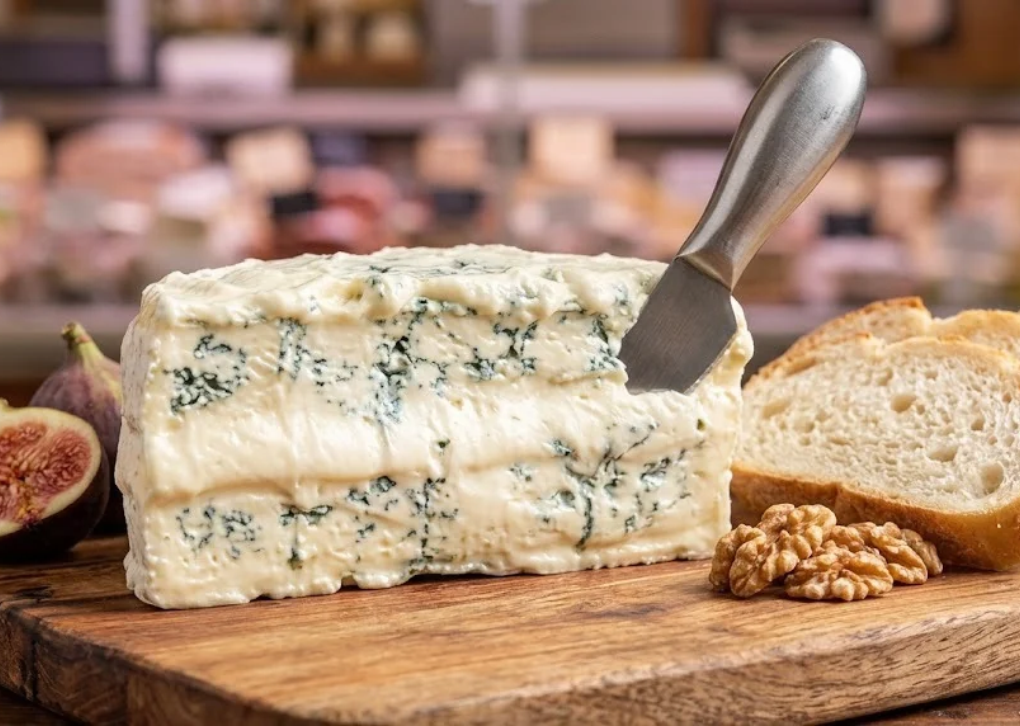
Masgonzola is a term commonly used online to describe a creamy cheese combination made with mascarpone and Gorgonzola, two Italian dairy products with very different flavor profiles. Mascarpone contributes a rich, buttery smoothness, while Gorgonzola brings the distinctive savory, tangy character associated with blue cheese.
The name sounds like that of a traditional Italian cheese, but there is an important distinction: Masgonzola is not established as a separate, officially protected cheese name. The underlying combination of mascarpone and Gorgonzola is real, even though the shortened name does not have one universally recognized definition or standardized recipe.
Blog Mush+2
That distinction matters if you are researching Masgonzola for cooking, buying specialty cheese, or simply trying to understand a term you encountered online. Rather than treating every claim about it as fact, it is more useful to examine the ingredients, flavor, culinary applications, and verified status of the cheese combination itself.
What Does the Name Masgonzola Mean?
The most straightforward explanation is that Masgonzola combines the names mascarpone and Gorgonzola. It describes the idea of bringing a mild, creamy cheese together with a more assertive blue cheese.
The pairing is not merely theoretical. Italian producers and retailers sell genuine cheese specialties under names such as Gorgonzola e Mascarpone, with some products containing alternating layers of the two cheeses and others presenting a softer, more integrated combination.
I nostri prodotti+2
However, there is no single official recipe that every product called Masgonzola must follow. The proportions, texture, appearance, and intensity can differ between products.
Is Masgonzola an Official Italian Cheese?
The distinction between a food combination and a protected cheese designation is important.
Gorgonzola has Protected Designation of Origin (PDO) status in the European Union. Its production must meet defined requirements concerning geographical origin, ingredients, and manufacturing methods. Mascarpone, meanwhile, is a separate fresh Italian cheese known for its rich texture and mild flavor.
Gorgonzola DOP+2
Masgonzola does not have an independently established PDO specification in the sources reviewed. Therefore, it is more accurate to describe it as an informal name for a Gorgonzola-and-mascarpone combination rather than a distinct traditional cheese with its own regulated production process.
What Ingredients Are Used in Masgonzola?
Gorgonzola
Savory, tangy, salty and aromatic.
The combination works because the two cheeses contribute different qualities. Mascarpone softens the stronger flavor of Gorgonzola, while Gorgonzola gives the otherwise mild mascarpone a more distinctive savory character.
1. Mascarpone: The Creamy Base
Mascarpone is a fresh, soft Italian dairy product traditionally made by coagulating cream with acid. It has a pale ivory color, a thick and smooth consistency, and a delicate flavor that can seem buttery or lightly sweet. It is widely associated with tiramisu, although it also works in savory sauces, fillings, and spreads.
Food Network
In a Masgonzola-style preparation, mascarpone contributes:
Creaminess: It creates a soft, spreadable texture.
Flavor balance: Its mildness reduces the intensity of blue cheese.
Body: It helps create a rich filling or sauce.
Versatility: It works in cold appetizers as well as warm dishes.
Mascarpone is not the same as ordinary cream cheese. Its richer consistency and milder taste can make a noticeable difference in the finished mixture.
2. Gorgonzola: The Distinctive Flavor
Gorgonzola is an Italian blue-veined cheese made from pasteurized whole cow’s milk under its protected production specification. Its characteristic blue-green or grey-blue veins develop through the growth of selected mould cultures during production and maturation.
EUR-Lex+1
There are two useful varieties to understand when choosing ingredients for Masgonzola.
Gorgonzola Dolce: Softer, creamier and milder. It is generally the better starting point if you want a gentle blue-cheese flavor.
Gorgonzola Piccante: Firmer, more crumbly and more pronounced in flavor. It suits people who enjoy a stronger, sharper cheese.
The official Gorgonzola consortium describes different maturation periods for these varieties, reflecting their different characteristics. Dolce is matured for 50–150 days, while Piccante is matured for 80–270 days.
Gorgonzola DOP+1
For a first attempt, choose Gorgonzola Dolce. It is easier to balance with mascarpone without allowing the blue-cheese flavor to dominate.
What Does Masgonzola Taste Like?
The flavor is best understood as a balance between creamy richness and savory intensity, rather than as an entirely new taste category.
A typical mascarpone-and-Gorgonzola combination can have the following characteristics:
| Feature | What to expect |
|---|---|
| Flavor | Creamy, savory, mildly tangy and sometimes slightly sweet |
| Texture | Soft, rich and spreadable |
| Aroma | Dairy-like with a recognizable blue-cheese note |
| Appearance | White or ivory areas with blue-green veins or marbling |
| Finish | Creamy, salty and more or less pronounced depending on the Gorgonzola |
These are general expectations, not fixed specifications. The flavor depends on the variety of Gorgonzola, the proportion of mascarpone, and whether the cheeses are mixed together or arranged in layers. Commercial versions confirm that both blended and layered preparations exist.
I nostri prodotti+1
Why the Texture Matters
A well-balanced Masgonzola-style cheese should feel creamy without losing the recognizable character of Gorgonzola. Too much blue cheese can make the flavor overpowering, while too much mascarpone can leave the result rich but comparatively mild.
The best ratio depends on the intended use. A gentle spread for crackers may benefit from a higher proportion of mascarpone, while a pasta sauce can accommodate a more pronounced blue-cheese flavor.
Masgonzola vs. Gorgonzola vs. Mascarpone
Although these names are related, they do not refer to interchangeable products.
| Feature | Masgonzola-style blend | Gorgonzola | Mascarpone |
|---|---|---|---|
| Main ingredients | Mascarpone and Gorgonzola | Cow’s milk, cultures, mould cultures, salt and rennet | Cream-based dairy product |
| Flavor | Creamy and tangy | Mild to strong, depending on variety | Mild and buttery |
| Texture | Soft and spreadable | Soft to firm, depending on variety | Thick and smooth |
| Blue veins | Usually visible if layered or lightly mixed | Characteristic blue-green veining | No |
| Typical use | Spreads, sauces and appetizers | Cheese boards, pasta and savory dishes | Desserts, fillings and sauces |
| Separate PDO designation | No independently established designation | Yes | Not a Gorgonzola-style PDO cheese |
Gorgonzola’s protected status is documented by the EU and the cheese’s protection consortium. Mascarpone’s culinary properties and uses are described by Food Network’s ingredient guide.
Gorgonzola DOP+2
The practical takeaway is simple: if you want a strong blue cheese, buy Gorgonzola. If you want a mild, rich dairy ingredient, choose mascarpone. If you want both qualities in one preparation, look for a product labeled Gorgonzola e Mascarpone.
How to Make Masgonzola at Home
You do not need a complicated cheese-making process to recreate the combination. A simple preparation using commercially produced cheeses is a practical starting point.
The following is an original kitchen suggestion, not an official or standardized Masgonzola recipe.
Simple Mascarpone and Gorgonzola Spread
Preparation: approximately 5 minutes
Yield: about 200 g
Ingredients
120 g mascarpone
80 g Gorgonzola Dolce
Black pepper, optional
A small amount of chopped walnuts or fresh herbs, optional
Method
Place the mascarpone in a clean bowl and let it soften slightly while remaining refrigerated until you are ready to mix.
Crumble the Gorgonzola into small pieces and check that any unwanted rind has been removed.
Fold the two cheeses together with a spoon or spatula until the mixture reaches your preferred consistency.
Leave some small blue-cheese pieces visible if you prefer a more textured spread.
Add black pepper or finely chopped walnuts if desired. Taste before adding any salt, because Gorgonzola is already salty.
Serve promptly or refrigerate in a covered container.
The 60:40 mascarpone-to-Gorgonzola ratio is a suggested starting point. Commercial products use varying proportions, including 60:40 and 55:45 blends.
Conad+2
How to Adjust the Recipe
For a milder flavor: Increase the mascarpone proportion.
For a stronger flavor: Add more Gorgonzola in small increments.
For a layered appearance: Alternate thin layers of the two cheeses instead of mixing them completely.
For a smoother spread: Use a spatula to fold the softened cheeses together gently.
Avoid leaving the mixture at room temperature for an extended period. Once prepared, refrigerate it promptly.
The Best Ways to Use Masgonzola in Cooking
One of the main advantages of this combination is that it can be served cold, incorporated into a sauce, or used as a filling. Its richness means that a relatively small quantity can contribute considerable flavor.
1. Masgonzola Crostini
Spread a thin layer onto toasted baguette slices. Top with a small piece of pear, a walnut half, or a little fresh thyme.
The contrast between crunchy bread, creamy cheese and sweet fruit makes this a useful appetizer for a dinner party. Keep the toppings restrained so the cheese remains the main flavor.
2. Creamy Pasta Sauce
For a quick pasta sauce, warm a small portion of the cheese mixture over low heat with a splash of reserved pasta water. Stir until the sauce becomes smooth, then toss with freshly cooked pasta.
Avoid aggressive boiling. Gentle heat and gradual dilution help produce a more even sauce, while excessive heat can make rich dairy mixtures greasy or uneven.
Black pepper, sautéed mushrooms, spinach, and toasted walnuts are useful additions. Because the cheese supplies salt and richness, taste the sauce before adding extra seasoning.
3. Risotto
Stir a spoonful into mushroom or plain risotto near the end of cooking. The mascarpone contributes creaminess, while the Gorgonzola provides a stronger savory finish.
Start with a small quantity and add more only after tasting. The aim is to enrich the rice without overwhelming its other ingredients.
4. Stuffed Ravioli and Tortelli
A thick cheese mixture can serve as a filling for pasta parcels. Pair it with spinach, mushrooms, or finely chopped walnuts, and keep the filling quantity modest so the pasta seals properly.
For a more balanced dish, serve the stuffed pasta with a light butter sauce or a simple vegetable accompaniment rather than another heavy cream sauce.
5. Baked Potatoes and Vegetables
A spoonful can be added to a hot baked potato, roasted cauliflower, or sautéed mushrooms. The residual heat softens the cheese and helps it coat the ingredients.
This is an easy way to experiment with the flavor without making a full sauce. It also makes the mixture useful for everyday cooking rather than only formal appetizers.
These applications are consistent with documented uses of Gorgonzola-and-mascarpone specialties in crostini, pasta, risotto and fillings.
Arrigoni Formaggi+1
What Foods Pair Well With Masgonzola?
The strongest pairings either complement the cheese’s savory flavor or provide contrast.
Pears and apples
Their freshness and gentle sweetness balance the richness of the cheese. Serve sliced fruit alongside crackers or toasted bread.
Walnuts and dried figs
Walnuts contribute crunch and earthy notes, while dried figs bring concentrated sweetness. This pairing works particularly well on an appetizer board.
Sourdough and crackers
A neutral, crisp base allows the cheese to stand out without adding excessive richness.
Mushrooms and herbs
Earthy mushrooms and fresh thyme complement the savory notes of Gorgonzola and work well in pasta or risotto.
The producer Arrigoni Formaggi specifically recommends dried fruit, particularly walnuts, and also identifies pasta sauces, crostini, risotto, and filled pasta as suitable applications.
Arrigoni Formaggi
Nutrition and Dietary Considerations
Masgonzola should be treated as a rich cheese preparation, not automatically as a light or high-protein food.
For context, one commercially listed 60% mascarpone and 40% Gorgonzola product provides approximately 403 calories, 39 g fat, 12 g protein, and 0.8 g salt per 100 g. Other commercial blends have different nutritional values, so these figures should not be treated as universal values for Masgonzola.
Conad+1
What Should You Know Before Eating It?
Calories and fat: The high cream content makes portion size relevant if you are monitoring energy or saturated fat intake.
Salt: Gorgonzola contributes salt, and the amount varies by recipe and manufacturer.
Milk allergy: Both ingredients contain milk-derived components. This combination is unsuitable for someone with a milk allergy.
Dietary restrictions: Check the full ingredient label if you follow a specific diet or need to avoid particular ingredients.
Serving size: A small spoonful can add substantial flavor to a dish without requiring a large quantity.
For the most accurate nutrition information, read the label on the exact product you buy. If preparing a homemade mixture, its nutritional content will depend on the ingredients and their proportions.
How to Store Masgonzola Safely
Because the combination contains perishable dairy products, refrigeration is essential. Follow the manufacturer’s storage instructions and use the product within the stated period.
For general food-safety guidance, FoodSafety.gov recommends keeping the refrigerator at or below 4°C and refrigerating perishable foods within two hours, or within one hour when the surrounding temperature exceeds 32°C.
FoodSafety.gov+1
Use these practical precautions:
Keep the cheese refrigerated until serving.
Store opened products in a clean, covered container if the original packaging instructions allow it.
Use a clean utensil to avoid introducing contaminants.
Follow the label’s instructions for how quickly to consume the cheese after opening.
Discard perishable cheese that has been held at unsafe temperatures or shows signs of spoilage; do not rely on smell alone to establish food safety.
One Italian retail product specifies refrigeration between 2°C and 6°C and consumption within three days after opening. That instruction applies to the particular product, not to every cheese blend.
Conad
Where Can You Buy Masgonzola?
If you search for Masgonzola in a supermarket, you may find few or no products using that exact name. That does not mean the underlying combination is fictional.
Italian producers and retailers list comparable products under names such as:
Gorgonzola e Mascarpone
Gorgonzola and Mascarpone
Gorgonzola-Mascarpone cheese
Gorgonzola with mascarpone
For example, the Italian producer Ciresa lists its Mughetto specialty as a combination of mascarpone and Gorgonzola DOP, while Arrigoni Formaggi sells a layered version made with the two cheeses.
I nostri prodotti+1
Availability depends on the country, retailer, and local specialty-food market. If the blend is unavailable, buying mascarpone and Gorgonzola Dolce separately is a practical alternative.
What Should You Check Before Buying?
Ingredient list: Confirm that the product contains both mascarpone and Gorgonzola.
Cheese variety: Choose Dolce for a gentler taste or Piccante for a stronger one.
Proportions: Check the percentage of each cheese if the manufacturer provides it.
Storage requirements: Make sure the product has been properly refrigerated.
Label and authenticity: Look for the protected Gorgonzola designation where applicable, but do not assume that the entire blend has a separate protected status.
Common Misconceptions About Masgonzola
Several misunderstandings arise because the name sounds like an established cheese category.
Misconception 1: Masgonzola is simply another spelling of Gorgonzola.
It is more useful to understand the term as referring to a mascarpone-and-Gorgonzola combination, although online usage is not completely consistent.
Misconception 2: It is a centuries-old cheese with its own official recipe.
The underlying cheese pairing is commercially established, but the evidence reviewed does not establish Masgonzola as a separate historic cheese with a regulated recipe.
Misconception 3: Every version tastes exactly the same.
The proportions and preparation method vary. A layered 60:40 product can differ in texture and flavor from a more thoroughly mixed preparation with a different ratio.
Misconception 4: The name guarantees a particular nutritional profile.
It does not. Use the nutrition label for the specific product rather than relying on general claims about the name.
These distinctions help separate documented food products from broad or unsupported claims found on some websites.
Gorgonzola DOP+3
Frequently Asked Questions About Masgonzola
1. Is Masgonzola a real cheese?
The name is not established as a separate, officially protected cheese designation. However, the combination it usually describes is real: Italian producers make specialty cheeses from mascarpone and Gorgonzola, sometimes arranging them in layers and sometimes combining them more thoroughly. If you want to purchase the product, search for Gorgonzola e Mascarpone rather than relying on the informal name alone.
I nostri prodotti+2
2. What is the difference between Masgonzola and Gorgonzola?
Gorgonzola is a protected Italian blue-veined cheese with defined production requirements. Masgonzola usually refers to a preparation that combines Gorgonzola with mascarpone, giving it a richer, creamier texture and generally softening the blue cheese’s intensity. The exact difference depends on the recipe or commercial product.
3. Does Masgonzola taste strong?
It can be mild or pronounced. Mascarpone softens the sharp, savory qualities of Gorgonzola, while the choice of Dolce or Piccante and the proportion of each cheese influence the final flavor. For a first taste, choose a product based on Gorgonzola Dolce and serve a small amount with bread or pear.
4. How can I use Masgonzola in recipes?
It works well as a spread for crostini, a filling for ravioli, an addition to risotto, or a base for creamy pasta sauce. It can also be served with walnuts, dried fruit, and crackers. When heating it, use gentle heat and add a little pasta water if necessary to achieve a smooth sauce.
5. Can I make Masgonzola at home, and how should I store it?
Yes. You can combine commercially produced mascarpone and Gorgonzola Dolce, starting with a ratio of 60% mascarpone to 40% Gorgonzola by weight. Fold the cheeses together for a spread or layer them for a more traditional-looking presentation. Keep the mixture refrigerated, follow the storage guidance for the ingredients, and consume it according to safe food-handling practices.
Conclusion: Is Masgonzola Worth Trying?
Masgonzola is best understood as an informal name for a deliciously practical combination of two Italian dairy products. Mascarpone provides the smooth, buttery base, while Gorgonzola contributes the distinctive blue-cheese flavor. Together, they offer a versatile preparation for appetizers, pasta sauces, risotto, and filled pasta.
The most important point is to distinguish the real cheese combination from the informal name. Masgonzola does not have its own established protected designation, but products made from mascarpone and Gorgonzola are commercially available.