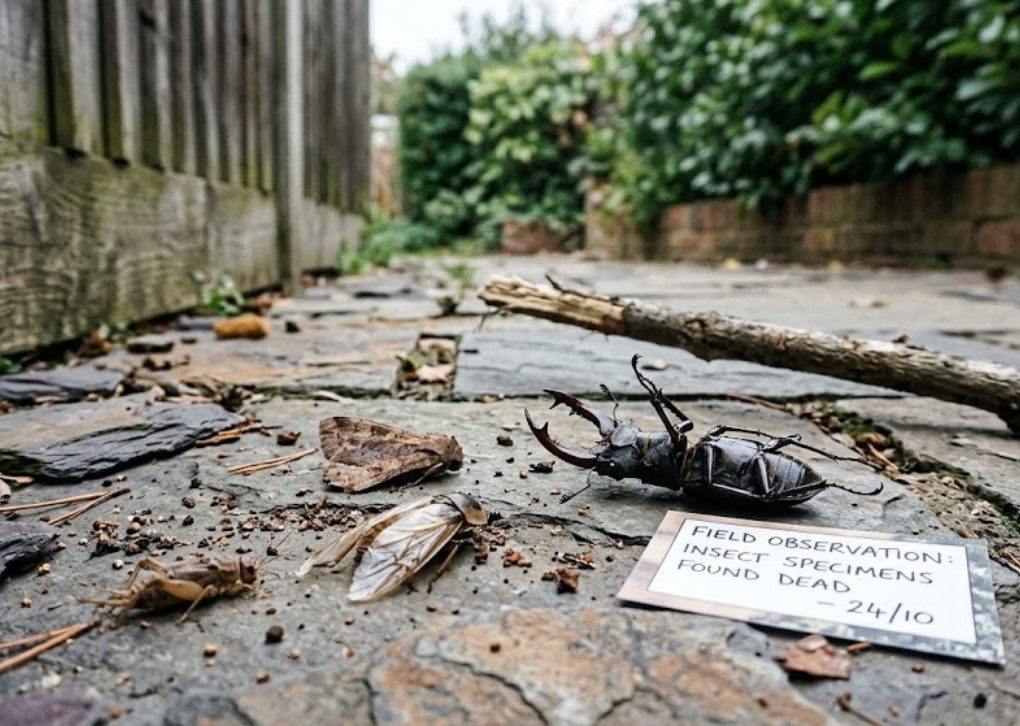
Bugsisdead is an unusual name that attracts attention because it looks like a statement, a username, and possibly a reference to technology all at once. If you have encountered it in a social profile or a search result, the key question is whether it identifies a specific person, a wider internet phrase, or both. The most responsible answer starts with the evidence: the name appears in public online contexts, but its exact origin and intended meaning are not firmly established by reliable primary sources.
That distinction matters. A memorable handle can become the subject of explanatory articles long before anyone has documented who first used it or why. That is why searches for Bugsisdead can mix questions about a name with questions about a phrase. This guide separates observable clues from speculation, explains the name’s possible readings, and gives readers a practical method for checking claims before repeating them.
What Is Bugsisdead?
The safest description is that Bugsisdead is a distinctive online name or handle whose meaning depends on context. Public search results include an X account URL using the handle and a Pinterest profile indexed as “bug (bugsisdead).” Those references show that the string has been used online; they do not, by themselves, establish the account holder’s legal identity, occupation, audience size, or personal history. See the X handle and Pinterest profile for the primary pages.
Some websites describe the term as internet slang about fixing software errors, overcoming obstacles, or reinventing yourself. These are plausible interpretations of the words, but an interpretation is not the same as a confirmed definition. Without a first-person explanation from the account holder or a traceable original post, it is more accurate to describe these readings as possibilities rather than facts. In other words, Bugsisdead should not be treated as a fully documented public figure based on a keyword alone.
What the Public Record Can Actually Confirm About Bugsisdead
A useful profile article should begin with what can be checked, not what sounds compelling. The available public search record supports a few limited observations:
- The name is used as an online handle. Search results connect the string to social-profile pages and posts.
- The name has attracted explanatory web pages. Several sites publish articles about its supposed meaning and origin, especially in 2025 and 2026.
- The origin story remains unverified. The articles commonly suggest a connection to software development or gaming, but they do not point to a dated, attributable first use that settles the question.
- A complete biography is not established by the name alone. A username cannot reliably reveal someone’s real name, location, age, work, relationships, or personal background.
These limits are important because search visibility can create a false sense of certainty. Ten websites repeating the same claim are not necessarily ten independent sources; they may be echoing one another. The strongest evidence would be an original profile statement, a verified interview, a dated post explaining the name, or a credible report with a transparent source trail. For now, the public trail around Bugsisdead is better described as limited and fragmented than as a complete profile.
Why a social handle is not a biography
A public account can tell readers something about its published content, but it cannot automatically verify every claim attached to it. Handles can change, accounts can be impersonated, and different people may use similar names on separate platforms. If an article claims that Bugsisdead is a particular creator, celebrity, business owner, or public figure, it should link to evidence that establishes that connection rather than infer identity from a matching username.
What Does Bugsisdead Mean?
Read literally, the name combines “bugs” with “is dead.” That structure gives it a blunt, dramatic tone. The word “bugs” may refer to insects, software defects, or metaphorical problems; “is dead” can suggest that something has ended, been defeated, or been deliberately left behind. Which interpretation fits depends on where the name appears and how its owner uses it. In search terms, “Bugsisdead meaning” often reflects the reader’s need to decide which context applies.
The technical interpretation
In software, a bug is an unintended problem in code or a program that causes unexpected behaviour or failure. Atlassian defines a bug in its incident-management glossary as an unintentional problem in software, code, or programs, while IBM explains that bug tracking involves logging and monitoring defects during development and testing.
From that technical starting point, the phrase can be read as a playful declaration that an error has been fixed. Developers sometimes use informal language to celebrate solving a stubborn issue, and the combination of “bugs” and “dead” fits that general mood. However, Bugsisdead is not established as a standard software-engineering term in the references available for this article. It should not be presented as an official coding command, debugging framework, or named tool.
The symbolic interpretation
Outside technology, the same words can suggest a reset: a problem is over, an old phase has ended, or a person is moving away from a previous version of themselves. That reading can work as a personal motto, an artistic alias, or a deliberately cryptic social-media name. Still, the symbolic meaning should not be attributed to a specific account holder unless they have explained it themselves.
Why context changes the answer
Imagine seeing the name in a developer’s release notes, an artist’s profile, or a gaming chat. In the first setting, the software interpretation may be most likely; in the second, it may function primarily as an aesthetic identity; in the third, it could be a joke about glitches or a competitive win. The same spelling can carry different meanings without any one of them becoming the official definition.
Did Bugsisdead Begin in Developer Culture?
The developer-culture explanation is repeated across several online explainers. One account suggests that the wording could have grown from the familiar frustration of fixing a persistent software bug; another proposes gaming communities as a possible route for the phrase to spread. For example, Insidefame’s explanation treats the developer connection as plausible while acknowledging that the exact origin is not verified, and Celexo’s article discusses similar theories.
Those pages are useful as examples of how the term is being interpreted, not as definitive historical records. Neither a plausible story nor repeated publication proves who coined the phrase, when it first appeared, or whether it began in coding, gaming, art, or an individual’s profile. Until an original source is found, the most accurate wording is that the developer connection is a theory—not a confirmed origin. The history of Bugsisdead should therefore remain open rather than being assigned a single origin.
A stronger origin investigation would look for the earliest dated use, archived profile pages, original posts, forum messages, or a direct explanation from the person who adopted the name. It would also compare dates across platforms instead of assuming that the first search result is the earliest use. Search engines often surface pages based on relevance and indexing, not chronological priority.
Is Bugsisdead a Viral Trend, Brand, or App?
Search results show that multiple websites have written about the term, but that alone does not prove it is a mainstream viral trend. A cluster of SEO articles can increase a keyword’s visibility while offering little independent evidence about how widely people use it. Claims that the name is “everywhere,” “viral,” or used by millions should therefore be supported by measurable evidence, such as platform statistics, broad independent coverage, or a documented viral post.
The available evidence also does not establish a dedicated software product, official company, or organised movement called Bugsisdead. That is different from proving that no such project exists anywhere. A careful writer should say that a product or company could not be verified in the sources reviewed, rather than make an absolute claim about every business registry or platform. That is the distinction readers should keep in mind when searching Bugsisdead.
If you are trying to identify a particular creator, begin with the profile itself. Check whether the account links to an official website, whether that website links back to the same profile, and whether the biography is consistent across platforms. Treat unrelated websites using the same keyword as separate sources unless they provide a clear connection.
Why the Name Works as an Online Identity
The name has several qualities that can make a handle memorable. It is compact, visually distinctive, and built from familiar words arranged in an unexpected way. It also leaves room for interpretation: one reader may see a technical joke, another may read it as an edgy alias, and a third may simply remember the unusual wording.
Ambiguity can help a name stand out, but it also creates a practical trade-off. If a creator wants an audience to understand a specific topic—music, illustration, gaming, software, or commentary—the profile’s biography and published work need to supply the missing context. A name alone rarely communicates a complete identity or explains what followers can expect.
There is also a difference between a name being memorable and being demonstrably popular. A distinctive phrase may prompt searches because people are curious, because they saw it in a post, or because several articles have been published about it. Without reliable audience or search-trend data, those explanations should remain possibilities rather than conclusions.
How to Research the Handle Responsibly
When investigating an unfamiliar online name, use a repeatable process instead of relying on the first article that appears.
- Start with primary profiles. Open the relevant social account and review its public biography, posts, linked websites, and visible dates. A profile is a direct source for what that account publishes, though not necessarily for every biographical claim.
- Look for cross-links. A creator’s website linking to a social profile—and the profile linking back—offers stronger evidence of a connection than matching usernames alone.
- Check dates and archives. Older posts or archived versions can help establish when a name was in use. Do not assume that a recently indexed page is the original source.
- Separate claims from evidence. Mark each statement as confirmed, inferred, or unverified. For example, “this handle appears on a profile” is different from “this person invented the term.”
- Compare independent sources. Look for interviews, original statements, or reputable reporting. If several articles use the same wording without linking to a primary source, treat the repeated claim cautiously.
- Avoid exposing private information. Do not try to uncover a private person’s legal identity, address, family details, or other sensitive information simply because a username is searchable.
This process helps readers understand what is genuinely known while avoiding accidental misinformation. For a reliable Bugsisdead article, make those evidence labels visible to readers. It is especially useful when a term is surrounded by articles that confidently describe a backstory without showing where the story came from.
Could Bugsisdead Be Used as a Brand?
A distinctive handle can be useful for a creator or project, but availability should never be assumed. Before adopting a similar name commercially, check usernames on the relevant platforms, domain availability, existing businesses, and applicable trademark databases in the countries where you intend to operate. A name that is available as a social handle may still conflict with an existing brand or registered mark.
Clarity matters as much as originality. If the name is intended for a software tool, explain the product’s function and avoid implying that it can eliminate every software defect. If it is for art or entertainment, use consistent profile details and original work to build recognition. If it is intended as a personal alias, decide how much information you want to disclose and keep that boundary consistent.
Search optimisation also requires more than repeating a keyword. A useful article should answer the likely reader questions—what the name refers to, what can be verified, whether a public account exists, and what remains uncertain—without stuffing the phrase into every paragraph. Evidence, clarity, and a genuinely useful explanation are more valuable than unsupported claims about popularity.
What the Technical Reading Can Teach Us
Even if the name is being used symbolically rather than technically, the idea of “killing a bug” makes a useful point about software quality: a fix should be tested, not merely announced. The MDN guide to reporting browser bugs recommends checking whether an issue comes from the code, browser, documentation, or specification before reporting it. That is a reminder to diagnose the cause instead of guessing.
In real development work, closing one issue does not mean every defect has disappeared. Teams record the problem, reproduce it, determine its cause, test a correction, and watch for regressions. A phrase that sounds final can work as humour or celebration, but reliable engineering depends on evidence and ongoing testing rather than a promise of perfection.
That distinction also mirrors responsible online research. A name may look self-explanatory, and many pages may repeat the same interpretation, yet the correct response is still to check the underlying source. Curiosity is a good starting point; verification is what turns it into knowledge.
Frequently Asked Questions
1. What is Bugsisdead?
The term is best treated as an online name or handle with an uncertain, context-dependent meaning. Public search results connect it to social-profile references, while some explanatory websites interpret it as a phrase about debugging or overcoming problems. No reliable primary source reviewed here establishes one official definition.
2. Is Bugsisdead a person or just a phrase?
It can appear as a handle, but a username alone does not establish a person’s identity or biography. The public references reviewed for this article are not enough to confirm a real name, occupation, location, or personal history. To identify a specific account responsibly, rely on direct profile information and credible cross-links rather than assumptions.
3. Did Bugsisdead originate in software development?
That is one explanation repeated by online articles, and the wording is compatible with software-debugging language. However, the sources reviewed do not establish a verifiable first use or a documented inventor. Until an original post, archived record, or direct explanation is available, the developer-origin story should be described as unconfirmed.
4. Is Bugsisdead a real company or app?
The sources reviewed for this article do not verify an official product, app, or company under that name. This should be understood as a limit of the available evidence, not proof that no similarly named project exists. Check official product pages, business records, app stores, and trademark databases before making a definitive claim.
5. How can I verify an account using this name?
Start with the direct profile, then check its links, post history, and any official website or verified interview. Compare dates and look for independent confirmation. Be cautious if articles repeat identical claims without naming a source, and do not treat an account’s visibility in search results as proof of fame or authenticity.
Conclusion: What to Do Next
The clearest takeaway is that Bugsisdead is a searchable online name, but its full story is not firmly documented in the public sources reviewed here. Its wording allows a technical interpretation about software bugs and a broader symbolic reading about endings or change, yet neither interpretation should be presented as the definitive intent without a primary source.
If you came across the name on social media, open the original profile and check its own posts and links first. If you are writing about it, label the difference between verified facts and theories, link to original evidence, and avoid inventing a biography or claiming that a phrase is viral without data. That approach gives readers a more trustworthy answer—and creates a stronger, more useful article than repeating an attractive but unproven origin story.