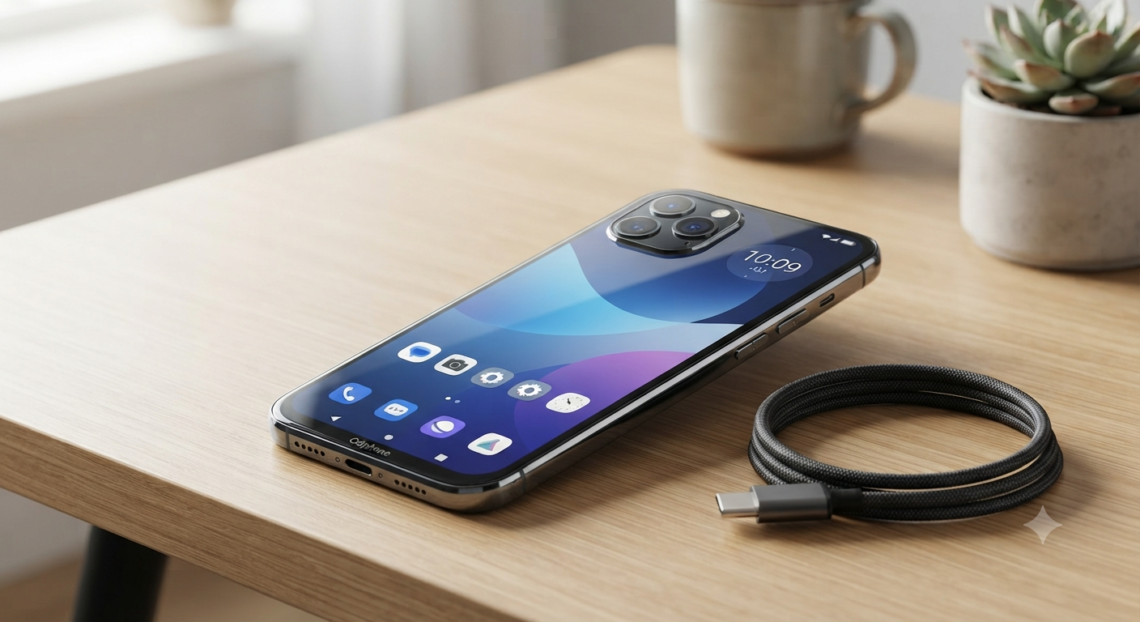
The term Cdiphone has gained attention among technology enthusiasts, music collectors, and people searching for ways to connect classic CD collections with modern smartphones. At first glance, Cdiphone sounds like an official Apple device, a new iPhone model, or a revolutionary product. However, the reality is more interesting: Cdiphone is not an official Apple product name. Instead, it is an internet-created term used to describe different ideas involving compact discs, iPhones, digital music, and futuristic smartphone concepts.
The popularity of Cdiphone comes from a simple question: how can people bring their old physical music collections into today’s smartphone-focused world?
Millions of users still own CDs containing rare albums, personal memories, limited editions, and music that may not exist on streaming platforms. At the same time, iPhones have become the central device for listening, communication, entertainment, and digital storage.
This creates an interesting bridge between two generations of technology:
- CD technology: physical ownership, high-quality audio, and collectible media.
- iPhone technology: mobility, convenience, cloud connectivity, and smart features.
Understanding Cdiphone requires separating fact from speculation, exploring practical CD-to-iPhone methods, and examining why this unusual keyword continues appearing online.
What Is Cdiphone?
Cdiphone is a community-created term rather than a confirmed Apple product. Different websites and online communities use the word in different ways. Some describe it as a hypothetical device combining a CD player with an iPhone. Others use it when discussing methods for transferring CD music to iPhones.
The name itself is a combination of:
- CD — Compact Disc, the popular physical music format introduced in the early 1980s.
- iPhone — Apple’s smartphone ecosystem launched in 2007.
The combination represents a nostalgic idea: bringing physical music ownership together with modern mobile technology.
A simple explanation:
Cdiphone = the idea of connecting CD-era music with iPhone-era convenience.
It does not mean Apple created a phone with a built-in CD drive.
Is Cdiphone a Real Apple Product?
One of the biggest questions people ask is whether Cdiphone is an actual iPhone model.
The answer is no.
Apple has never officially announced an iPhone called Cdiphone. The company’s real product lineup includes devices such as iPhone, iPhone Pro, iPhone SE, and other officially branded products. There is no verified Apple device carrying the Cdiphone name.
The confusion happens because Apple has a long history of combining different technologies into single devices.
When Apple introduced the original iPhone in 2007, Steve Jobs described it as combining multiple products:
- A phone
- An iPod
- An internet communication device
That “all-in-one device” philosophy may explain why people imagine a product like Cdiphone.
However, imagination and official releases are two different things.
Why Are People Searching for Cdiphone?
The keyword Cdiphone has become interesting because it sits between nostalgia and modern technology.
Several factors explain the growing curiosity.
The Return of Physical Music
Streaming dominates the music industry, but physical media has not completely disappeared.
Many collectors still prefer CDs because they provide:
- Ownership of music files
- Album artwork
- Collector value
- Higher control over personal libraries
- Access to rare recordings
A person who owns hundreds of CDs may naturally search for ways to move that collection onto an iPhone.
The Gap Between Old and New Technology
CD players were once everywhere.
People carried portable CD players, built home collections, and purchased albums physically.
Modern smartphones removed many physical components. The iPhone does not include:
- CD drive
- Optical disc reader
- Traditional headphone jack on many models
This creates a technology gap.
The idea behind Cdiphone represents a desire to combine:
The emotional value of CDs + the convenience of smartphones.
Cdiphone and the Evolution of Music Technology
To understand why this concept attracts attention, it helps to look at how music technology changed.
| Era | Main Technology | User Experience |
|---|---|---|
| 1980s–1990s | Compact Discs | Physical ownership and high-quality audio |
| Early 2000s | MP3 Players | Portable digital music |
| 2000s–2010s | Smartphones | Music, communication, apps in one device |
| Today | Streaming Platforms | Instant access anywhere |
The iPhone did not replace music itself. It changed how people access music.
The transition moved from:
Buying albums → Downloading songs → Streaming instantly
However, many people still want control over their own libraries.
That is where the idea behind Cdiphone becomes attractive.
How Cdiphone Actually Works in Real Life
Although there is no physical Cdiphone device, people can still create a practical CD-to-iPhone workflow.
The process usually involves converting physical CDs into digital audio files and transferring them to an iPhone.
Step 1: Import Music From a CD
A computer with a CD drive is normally required.
The CD audio is extracted using software such as:
- Apple Music app on Mac
- iTunes on Windows
- Other CD ripping programs
This process is called CD ripping.
Step 2: Choose the Right Audio Format
The quality of your transferred music depends on the file format.
Common options include:
AAC
- Efficient storage
- Works well with Apple devices
- Good quality for everyday listening
MP3
- Universal compatibility
- Smaller file size
- Supported almost everywhere
Lossless formats
- Maximum audio preservation
- Larger storage requirements
For serious collectors, lossless formats can preserve more detail from original CDs.
Step 3: Transfer Music to iPhone
After importing music, users can move songs to an iPhone through:
- Apple Music synchronization
- Finder on Mac
- iTunes on Windows
- Compatible music management tools
The result is similar to having a digital version of your CD collection inside your phone.
Cdiphone vs Traditional Streaming Services
Many people wonder why they would bother with CDs when services like Spotify and Apple Music exist.
The answer depends on personal priorities.
| Feature | Cdiphone Concept | Streaming |
|---|---|---|
| Ownership | Yes | Usually no |
| Internet required | No after transfer | Usually yes |
| Rare albums | Possible | Sometimes unavailable |
| Convenience | Moderate | Very high |
| Collecting value | High | None |
For casual listeners, streaming is easier.
For collectors, musicians, and audiophiles, owning music still matters.
Benefits of the Cdiphone Concept
Even though Cdiphone is not a commercial product, the concept highlights several valuable ideas.
Preserving Personal Music Collections
Many people have CDs purchased decades ago.
Those albums may contain:
- Family memories
- Concert recordings
- Limited editions
- Rare songs
Digitizing them protects the collection from physical damage.
Offline Listening
A CD-to-iPhone setup allows users to listen without:
- Mobile data
- Wi-Fi
- Streaming subscriptions
This is useful during travel, flights, or areas with poor connectivity.
Better Control Over Music Libraries
Streaming platforms decide what is available.
A personal library gives users control over:
- Organization
- File quality
- Album information
- Backup copies
Challenges With the Cdiphone Idea
The concept also has limitations.
No Built-In CD Hardware
Modern smartphones are designed around thinness and portability.
Adding a CD mechanism would create problems:
- Increased size
- More weight
- Battery consumption
- Mechanical failures
A spinning disc inside a modern smartphone would conflict with current phone design trends.
Physical Media Is Less Convenient
CDs require:
- Storage space
- Physical handling
- Computer transfer
Streaming is much faster for everyday listening.
Copyright Considerations
Users should always respect copyright laws when copying music.
Generally, people should only digitize music they legally own and use files according to applicable laws in their country.
The Future of Cdiphone: Could It Become Real?
A true Cdiphone with a built-in disc player is unlikely.
Modern technology is moving toward:
- Cloud libraries
- AI-powered music discovery
- Wireless audio
- Digital ownership
However, the idea behind Cdiphone may inspire future products.
Possible future concepts include:
- Better physical media integration
- Premium collector smartphones
- Hybrid offline music devices
- AI-powered personal music libraries
Technology often revisits old ideas in new forms.
Vinyl records returned. Retro gaming returned. Physical collectibles became popular again.
A future version of the Cdiphone idea could appear in a completely different way.
Frequently Asked Questions About Cdiphone
Is Cdiphone an official Apple product?
No. Cdiphone is not an official Apple product or registered iPhone model. It is an online term used for concepts connecting CDs and iPhones.
Can an iPhone play CDs directly?
No. Modern iPhones do not include built-in CD drives. Users normally need a computer to import CD music before transferring songs to their device.
How can I transfer CD music to my iPhone?
You can import CD tracks using a computer, convert them into digital formats such as AAC or MP3, and sync them with your iPhone music library.
Why do people search for Cdiphone?
People search for Cdiphone because they are interested in connecting old CD collections with modern smartphone technology. It is also popular because of curiosity around futuristic device concepts.
Will Apple ever create a Cdiphone?
There is no evidence that Apple plans to create a Cdiphone. However, the idea reflects a continuing interest in combining physical ownership with modern digital convenience.
Final Thoughts: Understanding the Real Meaning of Cdiphone
The story of Cdiphone is less about a missing Apple product and more about how technology evolves.
It represents a meeting point between two worlds:
- The physical, emotional experience of CDs.
- The smart, connected experience of iPhones.
While no official Cdiphone exists, the idea highlights an important trend: people still value ownership, personal collections, and meaningful technology experiences.
If you have an old CD collection, you do not need a special device. A simple workflow of importing, organizing, and syncing your music can bring those memories back to your iPhone.
The future of music may be digital, but the connection people have with their favorite albums remains timeless.