Beliktal is an unusual term attracting attention across online searches, leaving many people wondering what it means, where it originated, and whether it refers to a real place, a digital concept, or a creative name. Although several websites offer explanations, the available information does not establish one universally accepted definition. Understanding Beliktal therefore requires looking beyond repeated online claims and separating verifiable information from speculation.
The term has been associated with nature, peaceful living, travel, creativity, and digital identity. However, these associations should not automatically be treated as its official meaning. A closer examination reveals why unfamiliar keywords attract curiosity, how online interpretations develop, and what readers should consider before accepting claims about an unfamiliar name.
This guide explores the meaning, possible origins, online presence, practical applications, and frequently asked questions surrounding the term. Its central goal is simple: provide useful information without presenting unverified claims as established facts.
What Is Beliktal?
Beliktal is best described as an uncommon term with an uncertain meaning and an incompletely documented background. The available online material does not establish it as a widely recognized English word, a confirmed geographical destination, or a clearly documented commercial product.
Different websites interpret the term in different ways. Some associate it with peaceful natural environments, while others discuss it as a creative concept, a possible brand name, or an emerging internet keyword. These interpretations illustrate how the word is being presented online, but they do not independently prove its original meaning.
For someone encountering the term for the first time, the most useful starting point is to examine the context in which it appears.
As a word: Its established linguistic meaning remains uncertain.
As a place name: A specific, officially recognized destination has not been reliably established by the sources reviewed.
As a digital term: It appears in online articles discussing meaning, identity, and possible applications.
As a creative name: It could be used for a fictional setting, project, or brand, provided the relevant name is available.
This distinction matters because a search result can contain an attractive explanation without supplying evidence for it. A reliable guide should explain both what is being claimed and what can actually be confirmed.
What Does Beliktal Mean? Exploring the Main Interpretations
There is no confirmed definition that settles the meaning of this term. However, several recurring interpretations appear in online publications, including those discussing nature, creativity, lifestyle, and digital branding.

Vents Magazine+1
Understanding these interpretations can help readers make sense of search results without confusing a suggested meaning with a documented one.
1. Beliktal as a Nature-Inspired Concept
Some online descriptions connect the word with peaceful landscapes, natural beauty, quiet surroundings, and an escape from busy routines. These associations may make it appealing to travel writers, lifestyle bloggers, and creative storytellers.
Imagine a fictional retreat surrounded by green hills, walking paths, and open skies. A writer could use the term as the name of that setting, giving it meaning through the story. That would be a legitimate creative use, but it would not establish that the word historically means a natural paradise.
2. Beliktal as a Symbol of Simplicity
Another possible interpretation connects the term with calmness, balance, and uncomplicated living. These ideas are common themes in wellness and lifestyle content, where readers often seek ways to reduce distractions and create more intentional routines.
A creator could use the word to represent a personal philosophy focused on rest, mindful choices, and time outdoors. Still, there is no verified evidence that simplicity or tranquility is its original linguistic meaning.
3. Beliktal as a Creative or Fictional Name
Unfamiliar words can be useful in fiction because they do not arrive with the expectations attached to familiar names. Authors, game developers, and world-builders can give a newly created term its own history, geography, characters, and cultural significance.
For example, it could serve as the name of a fictional kingdom, a fantasy village, a science-fiction project, or an imaginary world. The important distinction is that these uses would represent original creative work rather than documented history.
4. Beliktal as a Digital Identity
Online publications also discuss the word as a potential name for websites, creative projects, online communities, and businesses. Its unusual spelling may help it stand out from more generic names, although uniqueness alone does not guarantee audience recognition or commercial success.
Vents Magazine+1
The safest conclusion is that these are possible applications, not proof of a single established identity.
Where Did Beliktal Originate?
The precise origin of the term has not been reliably established in the sources reviewed. There is no sufficiently documented linguistic history to identify a specific inventor, original language, first recorded use, or historical event associated with it.
Several explanations are possible, but each needs to be treated as a hypothesis rather than a confirmed origin story.
Possible Origins of Beliktal
A newly coined word: Someone may have created it as a distinctive name for a website, project, fictional setting, or online identity. Invented names are common in digital publishing and branding.
A spelling variation: It could be a misspelling, a transcription error, or a variation of another word or proper name. Checking the original source where it appeared would help establish whether this explanation is plausible.
A term from a specific community: It might have a specialized meaning in a small online community, a local context, or a fictional work that has not been adequately documented in widely accessible references.
An internet-driven keyword: The term may have gained visibility because websites began publishing articles about it. The possibility that repeated coverage amplified curiosity is worth considering, but the precise starting point remains unknown.
A useful clue comes from the online material itself. A 2025 article from Vents Magazine discusses several possible explanations, including a coined name, internet slang, and a linguistic variation, while a more recent article from Droven.io emphasizes that no single definition has been firmly established. Neither source supplies conclusive evidence of an original creator or historical origin.
Vents Magazine+1
That is why a responsible explanation should avoid inventing an ancient history, cultural tradition, or definitive translation.
Is Beliktal a Real Place?
This is one of the most important questions for anyone encountering travel-related descriptions of the term.
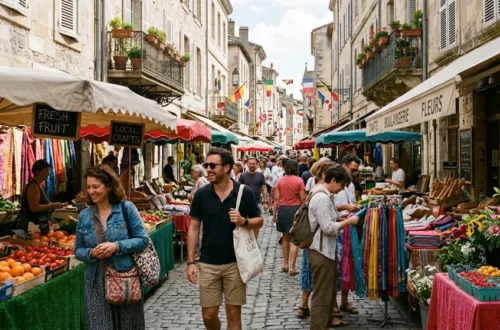
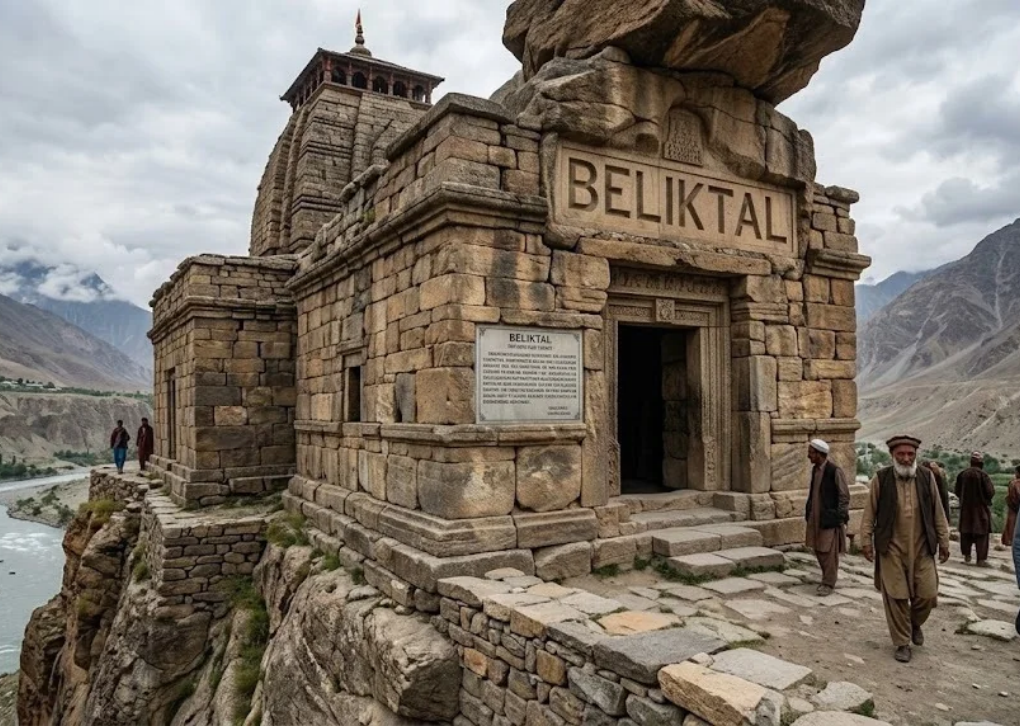
Some websites portray it as a destination featuring mountains, forests, lakes, valleys, or traditional communities. Yet the sources reviewed do not establish a consistent location, verified coordinates, or an authoritative geographical identity for such a destination.
droven.io+1
That does not prove that the name has never been used for a small locality or an obscure place. It means that the specific destination described in online articles cannot currently be confirmed using the evidence available here.
How to Check Whether a Claimed Location Is Genuine
If a website claims that the term refers to a real destination, look for several independent forms of evidence:
Recognized map listings: Check whether the location appears in established mapping services or geographical databases.
Official records: Look for a government website, local authority, or recognized geographical reference.
Verifiable travel information: A genuine destination should have identifiable routes, nearby towns, transport options, or other practical details.
Independent visitor evidence: Look for original photographs, dated travel reports, and accounts from people who can identify where they visited.
Consistent descriptions: Compare the country, coordinates, landscape, and local details across independent sources.
Be cautious when several articles describe a beautiful destination but provide no address, map location, local authority, or verifiable travel information.
Should You Plan a Trip to Beliktal?
Not on the strength of the name alone. Until a specific location can be verified, there is no reliable basis for recommending flights, hotels, transport routes, or travel itineraries to a place identified only by this term.
If you encountered it in a travel video, social media post, or article, return to that original source and look for the actual place name or location details. This simple step can prevent unnecessary travel research and spending.
Is Beliktal an App, Website, or Digital Platform?
Another question is whether the term refers to a functioning digital service. Some online articles discuss possible connections with software, productivity, or online platforms, but the material reviewed does not establish a verified product with documented features and an identifiable developer.
droven.io+1
That distinction is especially important when an article describes specific features such as task management, reminders, note-taking, or project planning. A detailed feature list is not proof that a product actually exists.
Before treating the name as a software service, check the following:
Official website: Does the service have a working website that clearly explains what it offers?
Developer identity: Is there a verifiable company or individual responsible for the product?
App store listing: If it is described as a mobile application, is there a legitimate listing with a publisher and release information?
Product documentation: Are its features explained in actual help pages, user guides, or demonstrations?
Privacy and security: Does it clearly explain how personal information is collected, stored, and used?
If these details cannot be verified, do not create an account, download unknown files, or share sensitive information simply because a page claims to represent the product.
An unfamiliar name is not automatically dangerous. It simply deserves the same verification you would apply to any unrecognized online service.
Why Is Beliktal Appearing in Online Searches?
The online visibility of an unfamiliar keyword does not necessarily mean that it represents a major trend, an established business, or a real-world discovery. Search interest can arise for several reasons, and understanding those reasons helps explain why different websites may offer conflicting descriptions.
1. Curiosity About Unfamiliar Words
People naturally investigate words they cannot immediately identify. If someone encounters an unfamiliar name in a post, search suggestion, comment, or article, they may look it up to understand its meaning.
That search can lead to more articles, creating additional opportunities for other people to encounter the same term.
2. Search Engine Optimization
Publishers sometimes create content around unusual keywords because they expect less competition than they would face with established search terms. A distinctive word can be relatively easy to target, particularly when few authoritative sources discuss it.
However, low competition does not automatically mean valuable search traffic. A keyword may have little genuine demand, and ranking for it does not guarantee meaningful readership, engagement, or conversions.
3. Repeated Online Interpretations
When several websites publish similar explanations, their repetition can create an impression of authority. Yet ten articles repeating the same unsupported claim do not necessarily provide ten independent pieces of evidence.
A useful approach is to investigate whether the articles cite original records, authoritative sources, or firsthand research. If they simply repeat one another, the information remains unverified.
4. Digital Publishing and AI-Generated Content
Automated writing tools make it easier to produce articles about unfamiliar terms. This can help publishers explain niche subjects, but it can also spread unsupported interpretations when writers treat existing online descriptions as facts.
A 2026 article in Pure Magazine argues that the conflicting travel descriptions associated with the keyword may illustrate this type of repetition. That explanation is a hypothesis offered by the publication, not definitive proof of how the term originated.
Pure Magazine
The broader lesson is valuable: the number of search results is not a substitute for evidence.
Can Beliktal Be Used as a Brand Name?
Potentially, yes. An unfamiliar word can serve as a distinctive name for a business, website, creative project, or digital product. However, its suitability depends on more than its spelling.
Before adopting the name commercially, consider these factors.
Distinctiveness
An unusual name may be easier to distinguish from generic competitors, but you should still search for existing businesses and similar names in your industry.
Pronunciation and recall
Ask potential customers to read the name aloud, spell it from memory, and explain what they think the business offers. Confusing pronunciation can create unnecessary friction.
Domain and social availability
Check domain registrars and relevant social platforms directly. An available website address does not establish trademark rights or guarantee that the name is free to use commercially.
Trademark clearance
Search the appropriate national and international trademark databases, especially in the markets where you intend to operate. Consider professional legal advice before investing heavily in the name.
How to Build Meaning Around the Name
If you choose to use the term for a new project, define it clearly from the beginning. Give visitors a concise explanation of what the brand does, whom it serves, and why its name is relevant.
For instance, a fictional lifestyle brand could deliberately associate the name with simplicity and outdoor experiences. A technology startup could assign it an entirely different identity. Both are possible creative choices, but neither should be presented as the word’s established historical meaning.
A brand becomes recognizable through consistent messaging, reliable products, and customer experience—not merely because its name is unusual.
How to Research Beliktal Without Spreading Misinformation
Readers and content creators can use a straightforward research process to evaluate claims about unfamiliar keywords.
Step 1: Identify the Original Context
Start with the first place you encountered the word. Was it a travel article, a product listing, a social media post, a fictional story, or a website address?
The surrounding information may explain the intended meaning more effectively than general search results.
Step 2: Look for Primary Sources
A primary source is direct evidence, such as an official product website, a historical document, a government record, or a statement from an identifiable creator.
For a claimed destination, geographical records are more useful than an article describing scenery without identifying where it is. For a claimed app, official documentation and a verified developer listing are stronger evidence than a generic feature list.
Step 3: Compare Independent Sources
Look for agreement among sources that have researched the subject independently. Similar wording, identical claims, and circular references may indicate that multiple pages rely on the same underlying material.
Step 4: Separate Facts From Interpretations
Organize what you discover into three categories:
| Category | What it means | Example |
|---|---|---|
| Verified information | Supported by reliable evidence | An official product listing identifies a developer |
| Plausible interpretation | A reasonable possibility without confirmation | The word may have been coined as a brand name |
| Unsupported claim | Presented without adequate evidence | A detailed travel description without a verifiable location |
This method makes articles clearer and helps readers distinguish knowledge from speculation.
Step 5: Recheck Important Claims Before Publishing
Online information can change. A term that has no documented commercial identity today could later be adopted by a company or creator.
If new evidence appears, update the article and explain what has changed. That approach is more useful to readers than presenting an uncertain interpretation as permanent fact.
Quick Facts About Beliktal
The following summary captures the most defensible conclusions from the available research.
| Question | Current understanding |
|---|---|
| What is it? | An uncommon term with an uncertain, incompletely documented meaning |
| Does it have an established English definition? | No widely accepted definition has been established in the sources reviewed |
| What is its origin? | Unverified |
| Is it a confirmed tourist destination? | Not established by reliable evidence reviewed |
| Is it a verified app or software product? | Not established by the sources reviewed |
| Why do websites discuss it? | Articles explore its possible meanings, online presence, and creative uses |
| Can it be used as a name? | Potentially, subject to availability and legal checks |
| What is the best research approach? | Check primary sources and distinguish evidence from interpretation |
These conclusions reflect the available online evidence reviewed for this article, rather than proof that the term has never been used in a particular language, community, or local context.
Frequently Asked Questions About Beliktal
1. What does Beliktal mean?
The term does not have one widely established definition in the sources reviewed. Online articles associate it with ideas such as nature, peaceful living, creativity, and digital identity, but these are interpretations rather than verified dictionary meanings. To understand how it is being used, examine the original source and the context in which it appears.
2. Is Beliktal a real place that people can visit?
A specific, officially recognized destination has not been established by the reliable evidence reviewed. Some websites describe scenic landscapes associated with the name, but those descriptions do not provide sufficient proof of a real location. Before making travel plans, look for verifiable coordinates, official geographical records, and independent visitor information.
3. Where did Beliktal originate?
Its original creator, language, and date of origin remain uncertain. It could be a coined name, a spelling variation, or a term used in a particular context, but the available evidence does not confirm any of these explanations. A reliable origin story would require historical records or a credible primary source.
4. Is Beliktal an app or website?
The research reviewed does not establish a specific, verified app or digital platform under this name. Articles discussing possible digital applications should not be treated as confirmation that a functioning product exists. Check for an official website, identifiable developer, legitimate app store listing, and accessible product documentation before relying on any claimed service.
5. Why are people searching for Beliktal?
Possible reasons include curiosity about an unfamiliar word, exposure through online articles, and interest in its possible use as a name or concept. Search visibility may also be influenced by publishers targeting unusual keywords. However, without reliable search-volume data and evidence of the term’s original spread, it would be misleading to claim a specific cause or describe its popularity as a proven major trend.
Conclusion: What Should You Know Before Trusting Beliktal Claims?
Beliktal is an interesting example of how an unfamiliar term can attract attention before its meaning and identity are firmly established. Online descriptions associate it with nature, lifestyle, creative expression, and digital branding, but the available evidence does not confirm one definitive interpretation, a specific geographical destination, or an established software product.
The most useful next step depends on why you searched for the term. If you encountered it in a travel article, verify the claimed location. If it appeared as an app or service, look for official product information. If you are considering it as a brand name, investigate trademarks, existing businesses, and domain availability before committing to it.
The key takeaway: Stay curious, but verify the evidence. A distinctive word can have creative potential without requiring an invented history or an unsupported explanation. By prioritizing reliable sources and clearly separating facts from possibilities, you can understand the subject more accurately and make better-informed decisions.