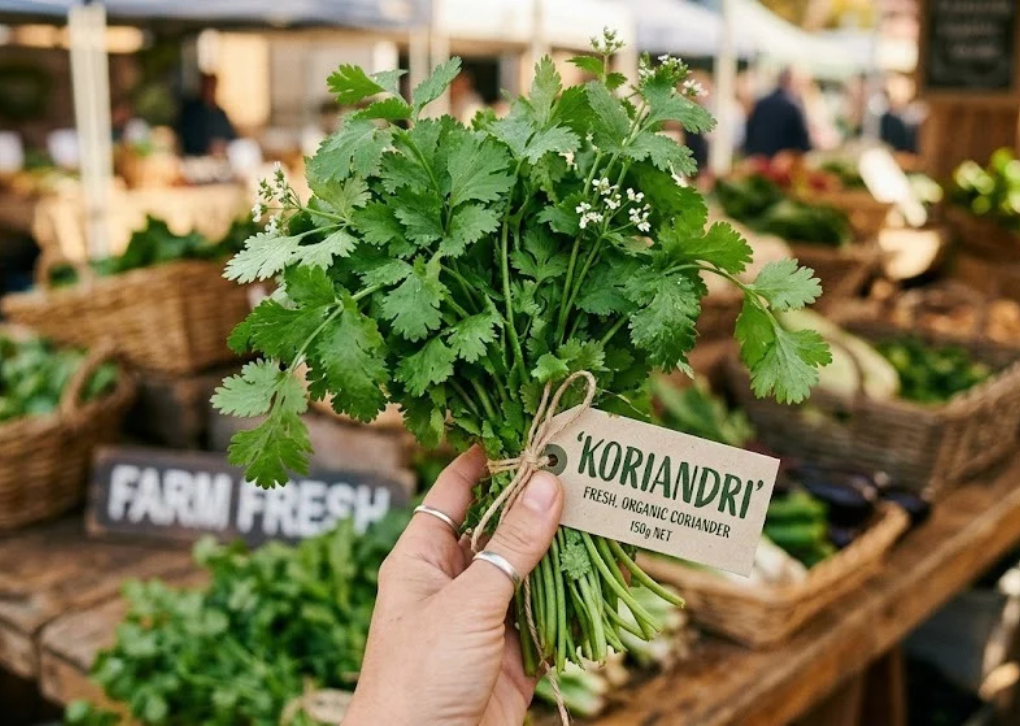
Koriandri may sound like an unusual new herb, but its story is more interesting—and much more useful—than that. The word is associated with coriander, the familiar culinary plant whose fresh leaves brighten chutneys and salsas while its dried fruits add warm, citrus-like depth to spice blends. Understanding Koriandri helps you buy the right ingredient and use every edible part with confidence.
There is one important distinction: Koriandri is not an independently recognized botanical species. It is an Estonian grammatical form of koriander, the Estonian name for coriander. The plant behind the term is Coriandrum sativum, and the right way to use it depends on whether a recipe means its leaves, roots, or dried fruits.
What Is Koriandri?
In Estonian, the dictionary headword is koriander. Koriandri is its singular genitive form, which can appear naturally in phrases describing coriander or something belonging to it. Estonia’s official Sõnaveeb dictionary lists both forms and translates the plant name into English as coriander or cilantro.
That detail matters because English-language food pages sometimes present Koriandri as a newly discovered herb or an exotic variety. There is no evidence in authoritative botanical taxonomy that this spelling identifies a separate species. If you encounter Koriandri on a food blog or translated menu, interpret the surrounding recipe first rather than looking for a special seed packet.
A Language Detail That Clears Up the Confusion
Estonian nouns change their endings according to grammar. The words koriander, koriandri, and koriandrit are related forms, not different ingredients. The spelling therefore provides a useful clue about the language of the source, not the physical properties of the herb.
For ingredient labels, the scientific name is more reliable than a regional nickname. Look for Coriandrum sativum L. on seed packets or botanical listings, particularly when shopping across languages. This avoids confusion with similarly named but different plants.
Koriandri vs. Cilantro vs. Coriander: Are They the Same?
Yes, these names generally refer to the same plant, but the culinary meaning changes by region. In the United States, cilantro usually means fresh leaves and tender stems, while coriander often means the dried spice. In Britain and many other places, coriander can refer to the fresh herb as well.
| Name on a recipe or label | What it usually refers to | Best uses |
|---|---|---|
| Koriandri | An Estonian word form connected with coriander | Check the recipe’s context |
| Cilantro | Fresh leaves and tender stems | Salsas, chutneys, salads, garnishes |
| Fresh coriander | Fresh leaves and stems | Curries, rice, soups, sauces |
| Coriander seed | Dried, round fruits sold as seeds | Spice blends, pickles, marinades |
| Ground coriander | Finely milled dried fruits | Curries, lentils, rubs, baking |
| Dhania | South Asian name used for coriander | Fresh herb or spice, depending on context |
Practical rule: If instructions say “chop,” “garnish,” or “add just before serving,” they probably mean leaves. If they say “toast,” “grind,” or “temper in oil,” they likely mean the dried fruits. This Koriandri context check prevents more cooking mistakes than memorizing the names alone.
The Plant Behind Koriandri: More Than Just Leaves
The accepted botanical species is Coriandrum sativum L., an annual member of the Apiaceae family, alongside parsley, carrots, fennel, and celery. Kew’s Plants of the World Online identifies its native range broadly from the eastern Mediterranean to western Pakistan. It has since become established in cooking traditions across multiple continents.
The plant changes visibly as it matures. Young lower leaves are relatively broad and lobed, while upper leaves can become fine and feathery as flowering approaches. Small pale flowers eventually give way to rounded, aromatic fruits commonly sold as coriander “seeds.”
Which Part Should You Use?
| Plant part | Flavor and texture | When to add it |
|---|---|---|
| Leaves | Bright, grassy, citrusy; tender | Near the end of cooking or raw |
| Tender stems | Juicy, strongly aromatic | In chopped sauces, marinades, soups |
| Roots | Intensely herbal and earthy | Pounded into Thai-style pastes |
| Green immature fruits | Floral, fresh, lightly spicy | Crushed into pickles or dressings |
| Dried ripe fruits | Warm, gently sweet, citrus-spiced | Earlier in cooking or toasted before grinding |
The key insight is that one plant creates several different cooking ingredients. A recipe using fresh leaves will not taste the same if you substitute ground seed gram for gram. Consider them complementary flavors rather than interchangeable versions of one spice.
What Does Koriandri Taste Like?
Fresh leaves deliver a lively combination of citrus peel, green herbs, and a slightly peppery finish. Dried coriander fruits have a softer, warmer fragrance, often described as lemony, nutty, or gently floral. The difference comes partly from the volatile aromatic compounds present in each plant part.
The seed’s essential oil is particularly associated with linalool, while leafy coriander contains a distinctive mixture of aldehydes. These compounds help explain why crushed seed smells different from a handful of chopped fresh leaves. They also explain why long cooking can mute the brightness of the herb.
A quick Koriandri tasting exercise makes the contrast obvious. Smell one freshly torn leaf, then gently crush a dried fruit between two spoons and smell it separately. You can then decide whether your dish needs a fresh finishing note, a mellow background spice, or both.
Best Culinary Uses of Koriandri
This herb works best when its form matches the job. Instead of adding it automatically to every savory meal, consider the dish’s heat, acidity, fat, and cooking time. Fresh leaves often lift rich or spicy foods; toasted seed adds depth to sauces and slow-cooked preparations.
Fresh Leaves: Finish for Maximum Aroma
Add chopped leaves to tomato salsa, green chutney, lentil soup, rice bowls, tacos, and roasted vegetables shortly before serving. In a creamy yogurt dip, combine them with lemon juice, a pinch of salt, and finely chopped green chili. The contrast between cool yogurt and sharp greens makes a small quantity go a long way.
For a quick citrus-herb dressing, mix two tablespoons chopped leaves with one tablespoon lemon juice, two tablespoons olive oil, and a little salt. Spoon it over cooked chickpeas, grilled vegetables, or fish. Taste before adding more: the herb should sharpen the dish, not bury its other flavors.
Coriander Seeds: Build Flavor Early
Warm whole dried fruits briefly in a dry pan over medium-low heat, just until fragrant, then cool and crush them. Add the powder to lentil dishes, vegetable curries, soups, marinades, or roasted carrot seasoning. Keep the pan moving because scorched spices develop harsh flavors.
Whole fruits generally preserve aroma better than pre-ground powder, particularly in warm kitchens. Oregon State University Extension recommends toasting or grinding shortly before use for stronger flavor. Store the remaining spice sealed and away from direct heat or sunlight.
Roots and Stems: Stop Throwing Flavor Away
Tender stems are edible and excellent in blended green sauces, provided they are cleaned carefully. Roots, when sold attached, can be scrubbed and pounded with garlic, pepper, and other aromatics for curry pastes. Remove damaged portions and gritty soil before use.
A simple two-stage seasoning technique gives a dish more dimension: cook a small amount of crushed coriander seed in its base, then finish with fresh leaves off the heat. The cooked spice creates a warm foundation while the leaves add a distinct high note. This is especially effective in tomato-based curries and bean dishes.
How to Choose and Store Koriandri
Choose bunches with vivid green leaves, firm stems, and no slippery or blackened patches. A little surface moisture is normal, but a sour smell or mushy texture signals spoilage. Buy whole dried fruits that smell fragrant when lightly crushed, rather than powder with almost no aroma.
For refrigerator storage, trim the stem ends and stand the bunch loosely in a small jar with a little clean water. Keep the leaves above the waterline, cover loosely, and refrigerate; replace the water when cloudy. Oregon State University Extension describes this approach as an effective way to preserve fresh herbs.
Washing and Food Safety
Wash fresh greens under running water before preparing them, gently separating the leaves to remove trapped grit. Dry with a clean towel or salad spinner; do not use soap or household detergent. The US Food and Drug Administration notes that washing reduces surface contamination but cannot eliminate all pathogens.
Keep fresh herbs refrigerated at 40°F (4°C) or below and separate them from raw meat and seafood. Discard slimy, decaying, or moldy bunches rather than trying to salvage them for raw dishes. When preparing food for people at increased risk of foodborne illness, follow appropriate safe-handling guidance.
Can You Freeze It?
Yes, but freezing changes the texture. Spread clean, thoroughly dried leaves on a tray, freeze until firm, then transfer them to a labeled airtight container. Frozen leaves suit soups, cooked sauces, and other dishes where crisp texture is unnecessary.
For a more convenient option, chop the herb and freeze portions in an ice-cube tray with a little water. Add cubes directly to hot dishes, not salads. Keep dried coriander seed in a cool, dark cupboard, and replace it when the fragrance has faded.
How to Grow Koriandri at Home
The plant is an approachable crop for a balcony, raised bed, or garden, but temperature matters more than many beginners expect. Coriander tends to flower and set seed quickly in hot, dry conditions, a process known as bolting. Once that transition begins, leaf production slows and the texture and flavor can change.
The Royal Horticultural Society’s growing guide advises well-drained soil, regular moisture, and successive small sowings for an ongoing leaf supply. In warmer periods, light midday shade can reduce heat stress. A large single planting is usually less useful than several smaller sowings spaced a few weeks apart.
A Simple Seed-to-Harvest Method
- Select a container: Use a pot with drainage holes and enough depth for developing roots.
- Prepare the medium: Fill it with a free-draining potting mix and moisten it evenly.
- Sow: Space the rounded fruits about 5 cm (2 in) apart and cover lightly with compost.
- Protect seedlings: Keep the surface gently moist, not waterlogged, while seeds germinate.
- Manage heat: Provide bright conditions but some midday shade during hot weather.
- Harvest carefully: Snip outer stems once plants are established, leaving growing foliage.
- Resow: Start a new small batch every few weeks instead of relying on a single plant.
Germination commonly takes roughly one to three weeks, depending on conditions, according to the RHS. If your goal is leaves, harvest before flowering becomes extensive. If your goal is spice, leave some plants to bloom and mature their fruits.
Harvesting Your Own Spice
Wait until most fruits have turned brown, then cut the stems and place the heads into a paper bag to dry further. Shake out the dry fruits and store them in a labeled container. Avoid sealing damp harvests, as trapped moisture encourages spoilage.
This illustrates a useful Koriandri gardening trade-off: plants producing leaves and plants producing mature fruits have different ideal harvest times. Separate them into two batches if you want both ingredients. That way, you do not sacrifice all your fresh herb to collect seeds.
Koriandri Nutrition and Potential Health Benefits
Coriander leaves contribute small amounts of nutrients and plant compounds to a varied diet, including vitamin K and carotenoid pigments. The seeds contain aromatic substances, with linalool featuring prominently in their essential oil. Actual nutrient intake depends on the amount eaten and whether you are using leaves, whole fruits, or extracts.
Research has explored coriander compounds for antioxidant activity and possible effects on blood glucose, inflammation, and lipids. Yet laboratory findings do not prove that ordinary culinary servings treat disease. A scientific review indexed by PubMed notes that much of the cardiovascular research has been preclinical, with comparatively little clinical evidence.
The realistic benefit is culinary as well as nutritional. Fresh herbs and fragrant spices can make vegetables, beans, and home-cooked meals more appealing without always needing extra salt. Enjoy Koriandri as part of a balanced diet, not as a replacement for prescribed treatment.
Is Koriandri Safe for Everyone?
For most people, normal food quantities of coriander are familiar culinary ingredients. However, anyone with a suspected herb or spice allergy should avoid the trigger and seek medical guidance. Concentrated essential oils and supplements are not equivalent to eating chopped leaves or normal amounts of ground spice.
One medication-related consideration deserves care: leafy herbs can contribute vitamin K to the diet. People taking warfarin should keep overall vitamin K intake consistent rather than suddenly adding large amounts of leafy greens. The NIH Office of Dietary Supplements explains why consistency matters for anticoagulant control.
Claims that coriander “detoxes heavy metals,” cures diabetes, or replaces medication go beyond established evidence for ordinary food use. Be cautious about recommendations for large doses or medicinal extracts, especially during pregnancy or while taking prescription medicines. Food and therapeutic supplementation should not be treated as interchangeable.
Why Does Koriandri Taste Like Soap to Some People?
A person who calls cilantro “soapy” is not necessarily describing spoiled food or being fussy. People perceive its aromatic molecules differently, and genetic variation appears to explain part of that difference. In a published genetic association study, researchers identified a link near odor-receptor genes, including a possible role for OR6A2.
Genes are not the entire story, and the study did not establish a simple genetic switch that determines everyone’s preference. Exposure, context, and individual sensitivity can also influence how flavors are experienced. For someone who dislikes the leaves, use parsley with a little lime zest or use coriander seed instead; neither is an exact substitute, but both can work in suitable dishes.
Common Mistakes to Avoid
Several small decisions have an outsized effect on results. Use this quick troubleshooting list when the flavor, freshness, or harvest does not turn out as expected.
- Replacing fresh leaves with ground seed: They have different aromas, so adjust the recipe rather than swapping equal quantities.
- Boiling the leaves for too long: Add them near serving time when a bright herbal finish is wanted.
- Buying large bunches without a storage plan: Divide them immediately into refrigerated and freezer portions.
- Grinding months of seed at once: Grind small quantities so the fragrance lasts longer.
- Growing through intense heat: Try a cooler planting window, light shade, and regular moisture.
- Assuming more herb means more medical benefit: Culinary enjoyment and clinical treatment are different matters.
Frequently Asked Questions About Koriandri
1. What does Koriandri mean in English?
The word relates to coriander, called koriander in Estonian. Specifically, it is a grammatical form of that noun rather than the established name of a different plant species. Depending on the context, an English recipe may be referring to cilantro leaves or coriander seed.
2. Is Koriandri the same as cilantro?
They are connected to the same botanical plant, Coriandrum sativum. Cilantro usually means the fresh leaves and tender stems in North American English, while the dried fruits are typically sold as coriander seed. Check whether the recipe calls for a fresh herb or dried spice before cooking.
3. Can Koriandri help lower blood sugar or cholesterol?
Researchers have investigated these possibilities, especially using extracts or concentrated seed preparations. The evidence is not strong enough to recommend typical servings as a treatment for diabetes or high cholesterol. People managing these conditions should follow professional care plans and use coriander for flavor rather than medication replacement.
4. How long does Koriandri stay fresh in the refrigerator?
A well-handled bunch may remain usable for around a week, and sometimes longer, depending on initial freshness and storage conditions. Place trimmed stems in a little clean water, cover loosely, and refrigerate. Discard any bunch that develops slime, mold, or an unpleasant odor, regardless of how recently it was purchased.
5. Can I grow Koriandri from supermarket coriander seeds?
Sometimes, provided the dried fruits are intact, viable, and have not been heat-treated or otherwise processed in a way that prevents germination. Dedicated planting seed is more dependable because its variety and germination quality are usually specified. Sow a small test batch first, then use a separate food-grade supply for cooking.
Final Thoughts: Get More From Koriandri
Koriandri is best understood as a language clue pointing to a familiar, remarkably versatile plant—not a mysterious new ingredient. Once you distinguish fresh leaves from dried fruits, you can choose the right flavor, keep your herbs fresher, and even grow two different harvests from one annual species.
Your next step: Try one dish with fresh leaves added at the end and another with freshly crushed, lightly toasted seed added earlier. Notice which flavor each contributes, then keep the approach that suits your cooking. A little ingredient knowledge often makes a bigger difference than adding more spice.